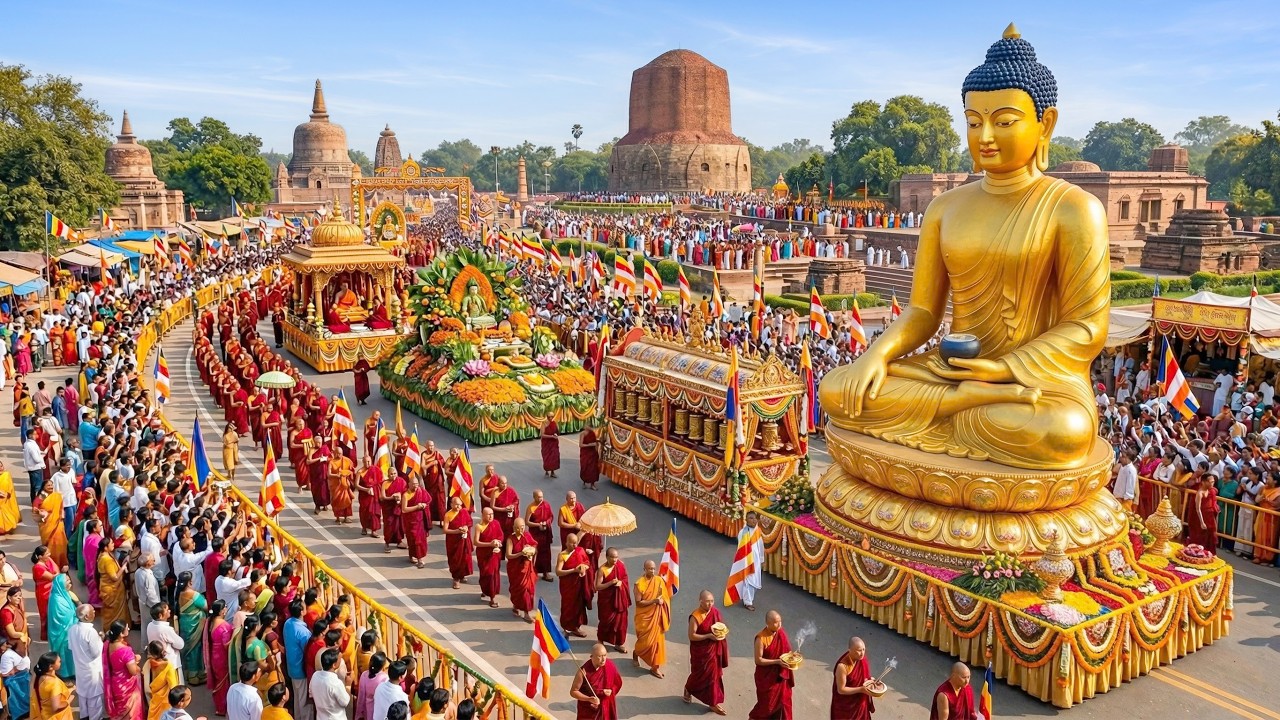
Tour Cover
Home Tour Packages 260520-01
260520-01

New Delhi → Varanasi → Bodhgaya → Rajgir → Nalanda → Vaishali → Kesaria → Kushinagar → Lumbini → Kapilvastu → Sravasti → Lucknow → Sankisa → Agra → Incheon

9 Days 20 May 2026 South Korean 21 Pax
Day 1
New Delhi
Wednesday, 20 May 2026
D MAP
New Delhi DEL
0900: Collect all guest at Terminal -01 of Incheon Airport.
1140 : Board flight for INDIA.
1300 : Lunch on Flight.
New Delhi DEL Air
Accommodation
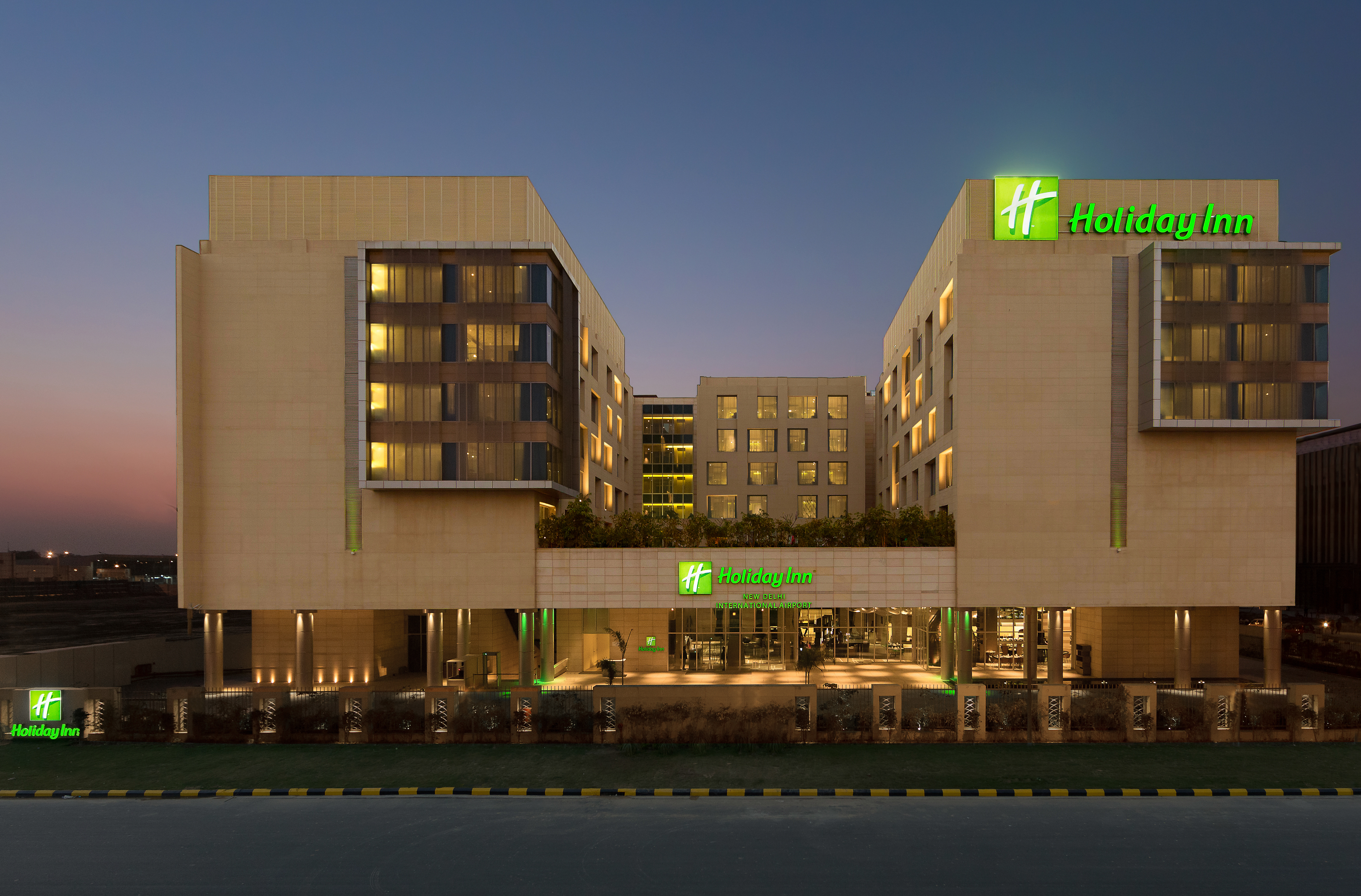
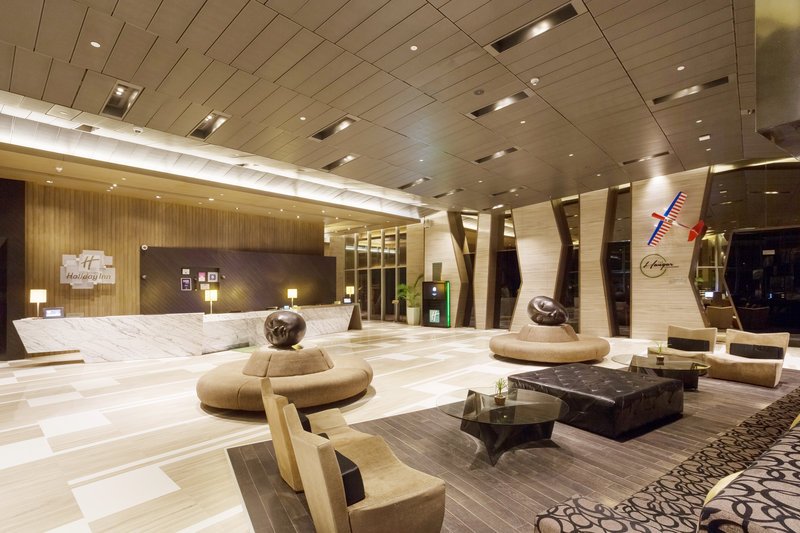
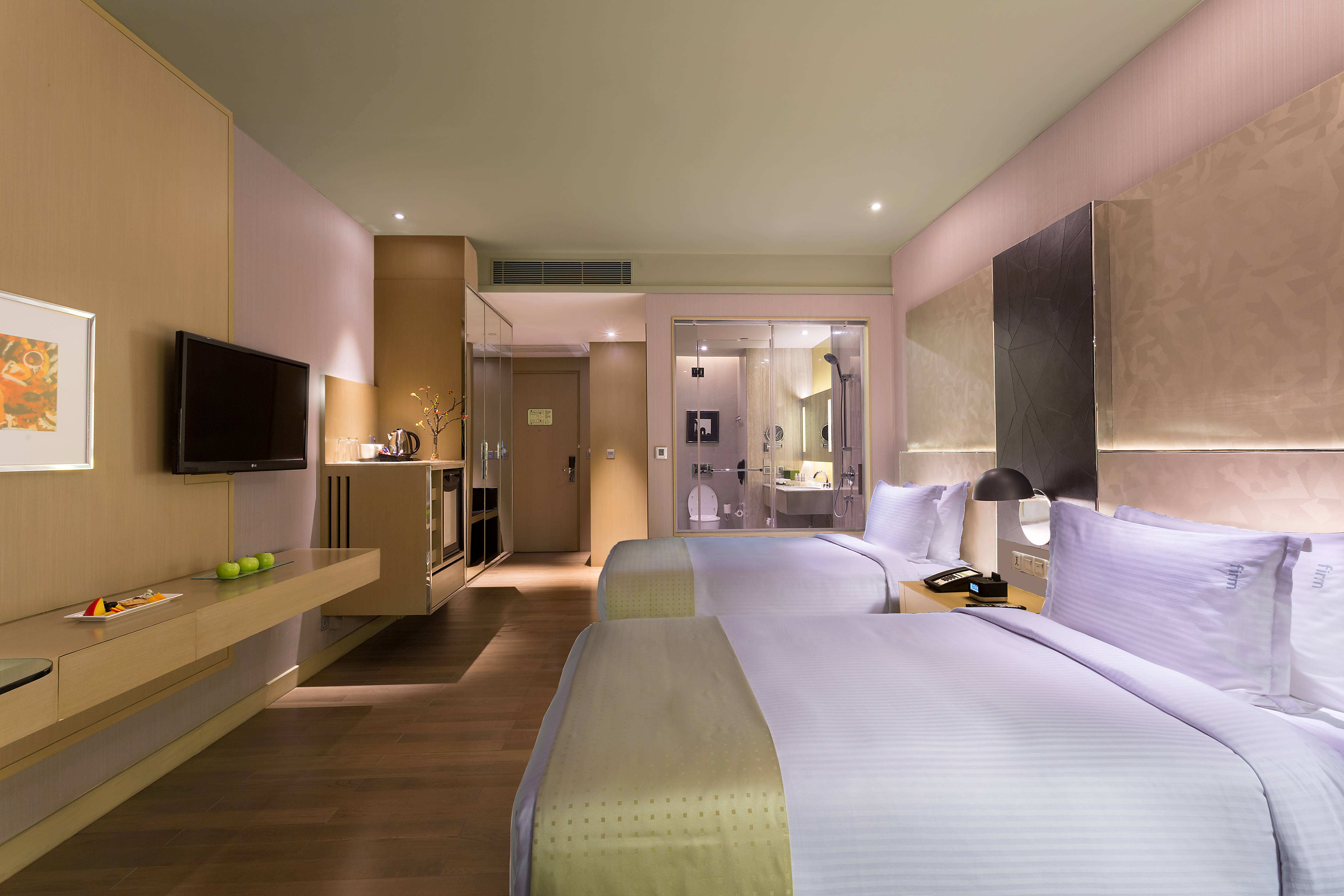
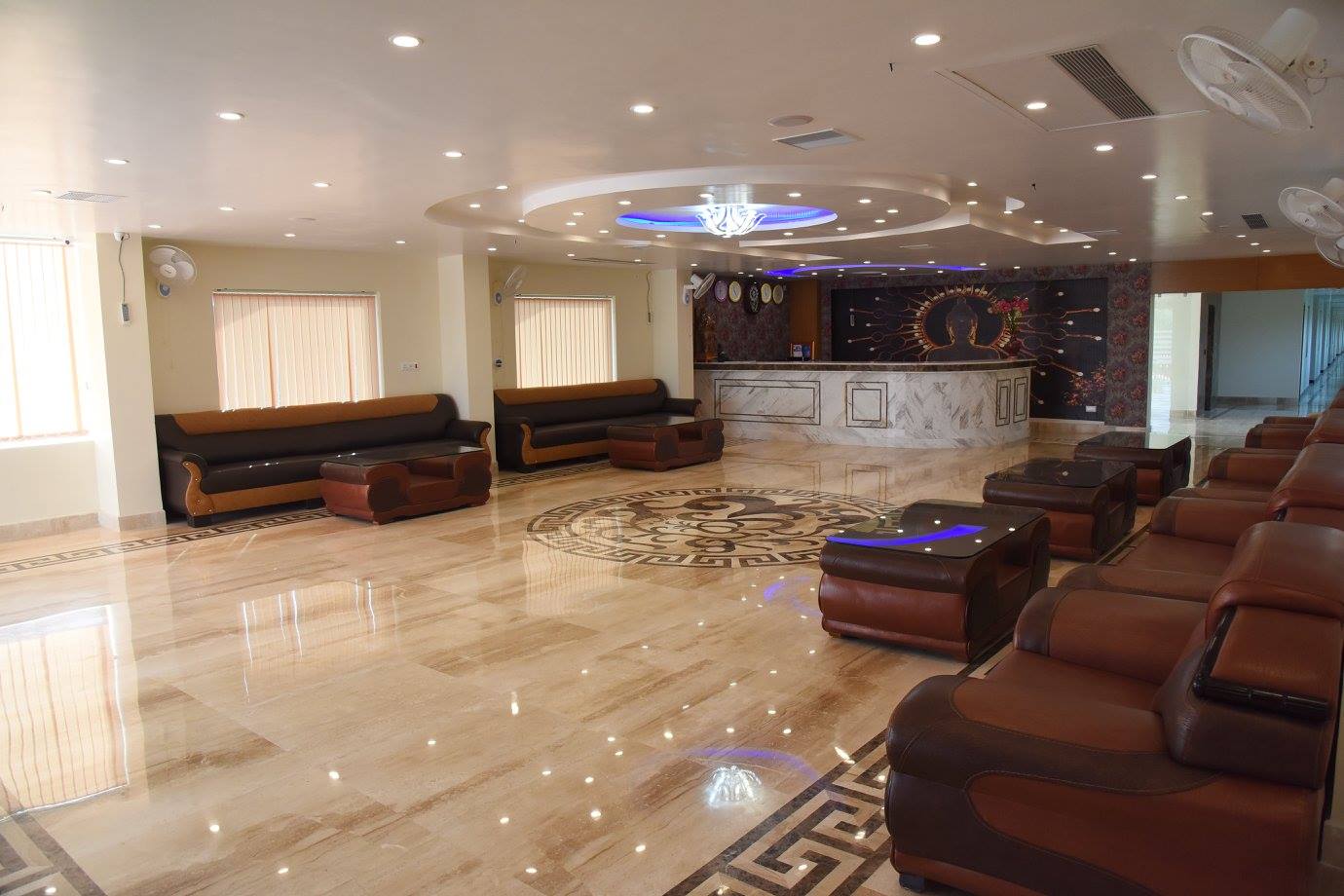
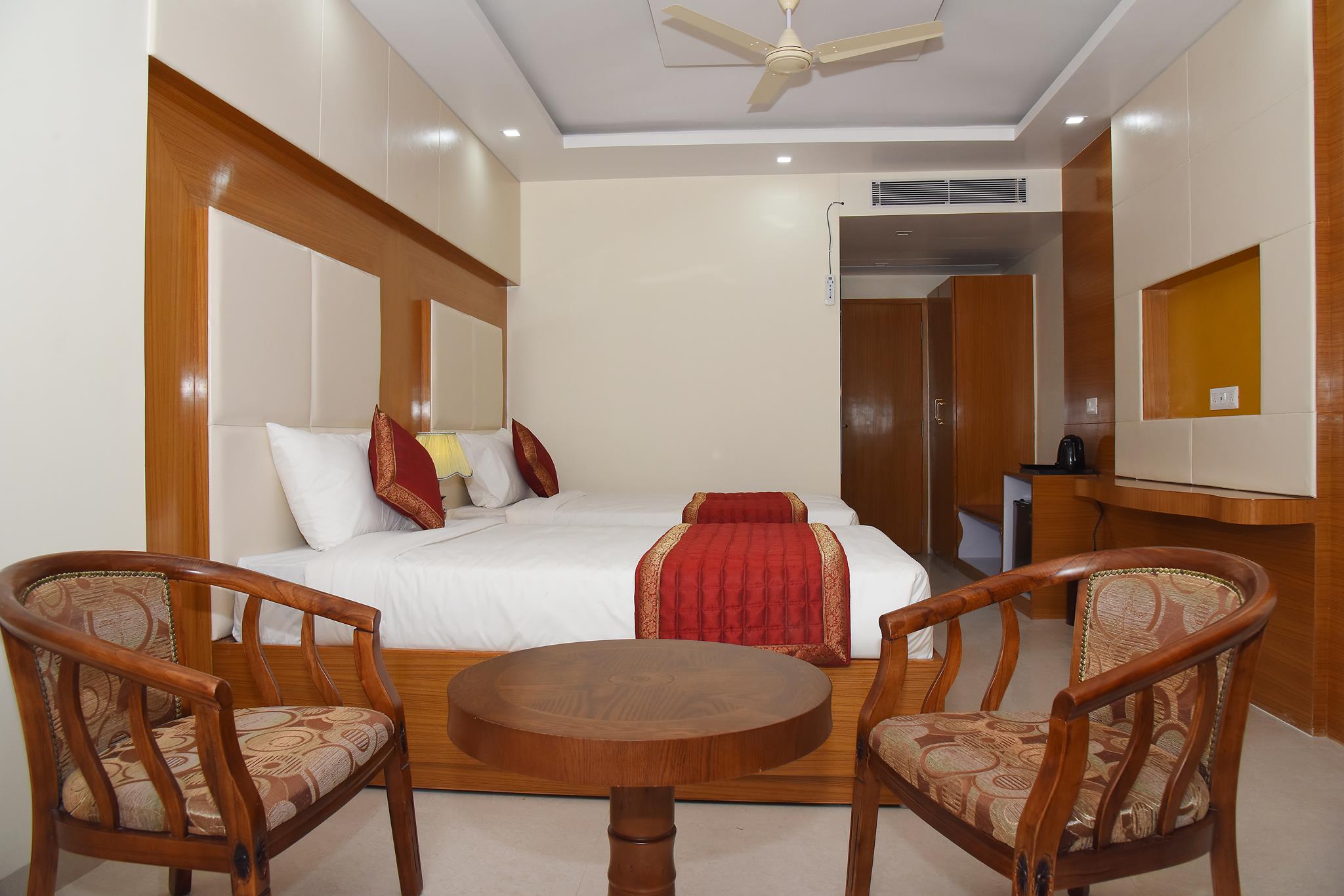
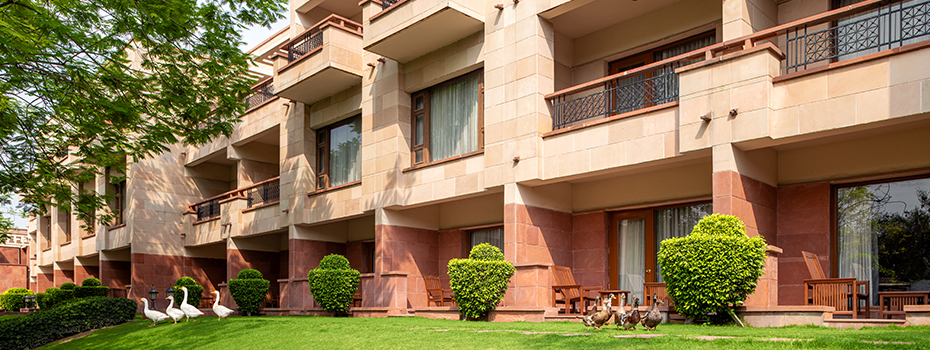
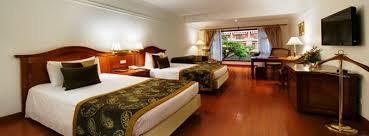
Holiday Inn Aerocity
Holiday Inn Aerocity 5 Star
New Delhi
1655: Arrival at New Delhi Indira Gandhi Airport.
1730: After clearing immigration and luggage meeting at assistance of language speaking Guide.
1800: Transfer to Hotel (03 Km/15 Mins.)
1900: Dinner and overnight stay at hotel.
Dinner: Holiday Inn Aerocity
Day 2
New Delhi → Varanasi
Thursday, 21 May 2026
B L D AP
New Delhi DEL Air
Air India AI313 ICN/DEL Dep: 12:20 Arr: 16:55
0700: Buffet breakfast at hotel.
0730 : Transfer to New Delhi IGI Airport to board flight for VARANASI.
0900 : Board Flight
Varanasi VNS Air
IndiGo 6E5025 DEL/VNS Dep: 09:00 Arr: 10:20
Accommodation
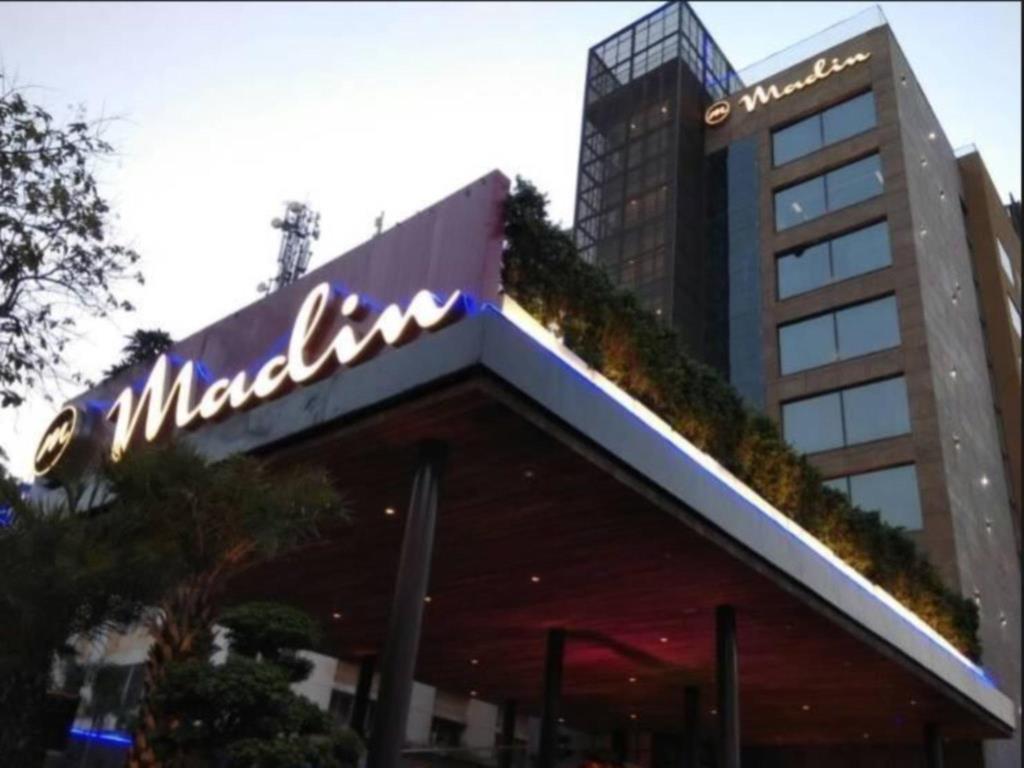
Madin Hotel
Madin Hotel
Madin Hotel
Madin Hotel 5 Star
Varanasi
Monuments & Sightseeing
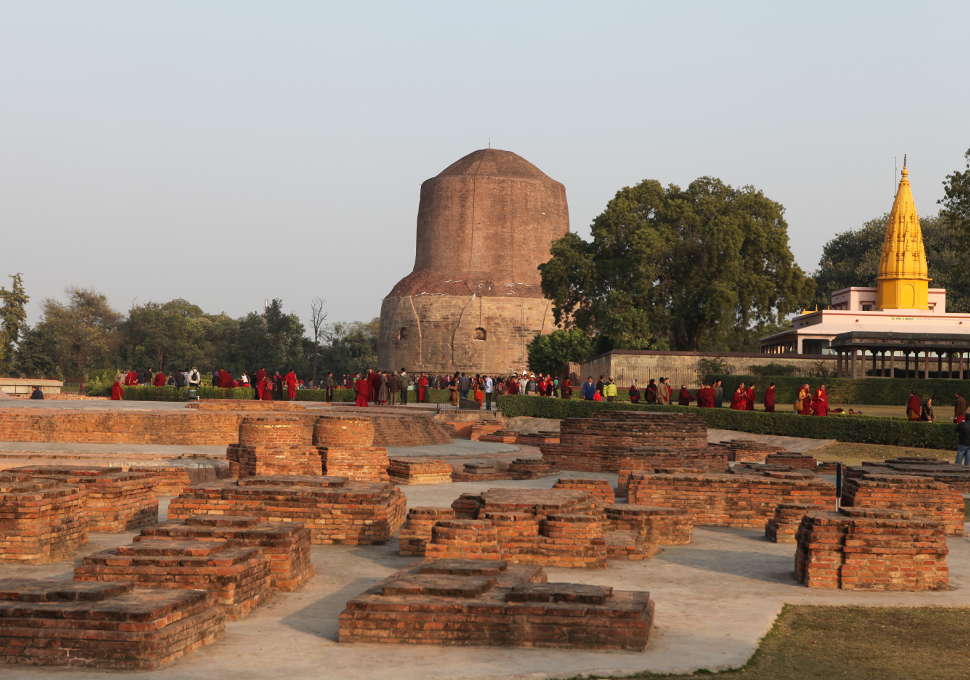
Dhamek Stupa
Dhamek Stupa
₹20 Indian₹300 Foreign₹100 SAARC
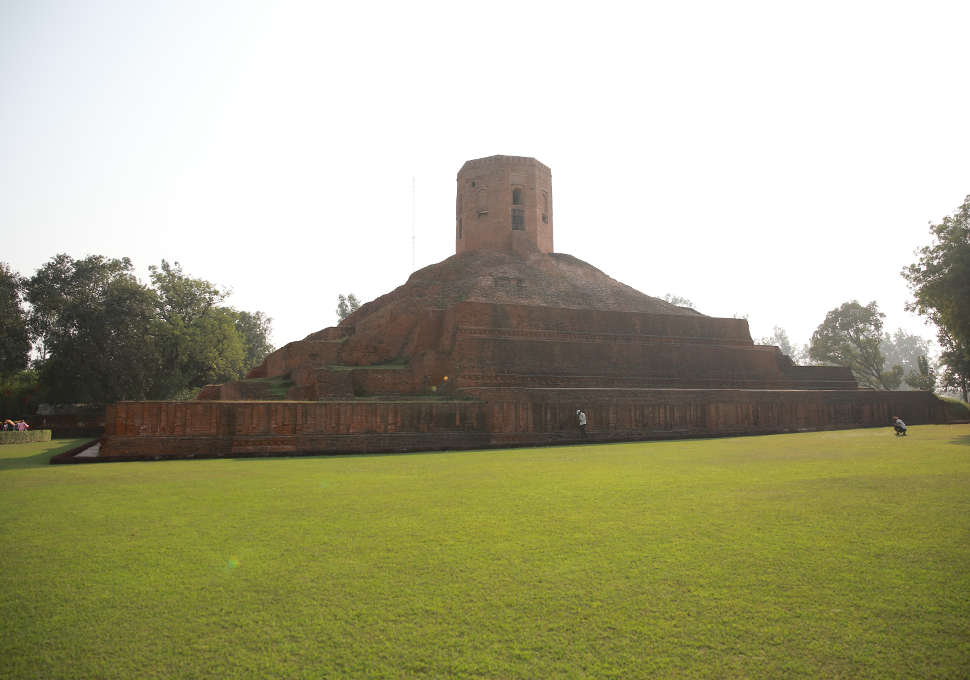
Sarnath, also known as Mrigadava, Rishipattana and Isipatana throughout its long history. Mrigadava means “ Deer Park” : The name Mrigadava owes its origin to the fact that herds of deer roamed here freely as they had been granted immunity by the king of Varanasi, moved to compassion by the spirit of self-sacrifice of bodhisattva born an nyagrodhamriga. The modern name seems to be a contraction of saranganatha (lord of deer). Isipatana is the name used in the Pali Canon which means the place where holy men landed. The place was called Rishipatana as “once there lived five hundred pratyeka-buddhas or rishis in a big forest at a distance of a 10 km from Varanasi that once arose to the sky where they attained nirvana and thus their corporeal bodies fell of earth. The word Sarnath derives from the Sanskrit Saranganatha, which means "Lord of the Deer", and relates to another old Buddhist story in which the Bodhisattva is a deer and offers his life to a king instead of the doe the latter is planning to kill. The king is so moved that he creates the park as a sanctuary for deer.
Chowkhandi Stupa
Chowkhandi Stupa
₹20 Indian₹300 Foreign₹100 SAARC
The Chaukhandi Stupa is the place where, during his first visit to Sarnath, Lord Buddha met his first five disciples.
1020: Arrival at VARANASI Airport and transfer to Hotel.
1130 : Lunch at restaurant of hotel Fern Residency, nearest to Sightseeing place.
1230 : Sarnath Sightseeing:-
* Chowkhandi Stupa
* Dhamek Stupa
* Museum
* Evening aarti Pooja at Ganges Ghaat with Boat ride.
1900: Dinner & Overnight stay at Hotel.
Breakfast: Holiday Inn Aerocity
Lunch: Madin Hotel
Dinner: Madin Hotel
Day 3
Varanasi → Bodhgaya
Friday, 22 May 2026
B L D AP
Varanasi VNS Air
IndiGo 6E5025 DEL/VNS Dep: 09:00 Arr: 10:20
0700: After Breakfast drive for BODHGAYA (280 Km/06 Hrs.)
Bodhgaya BDH Road
Accommodation
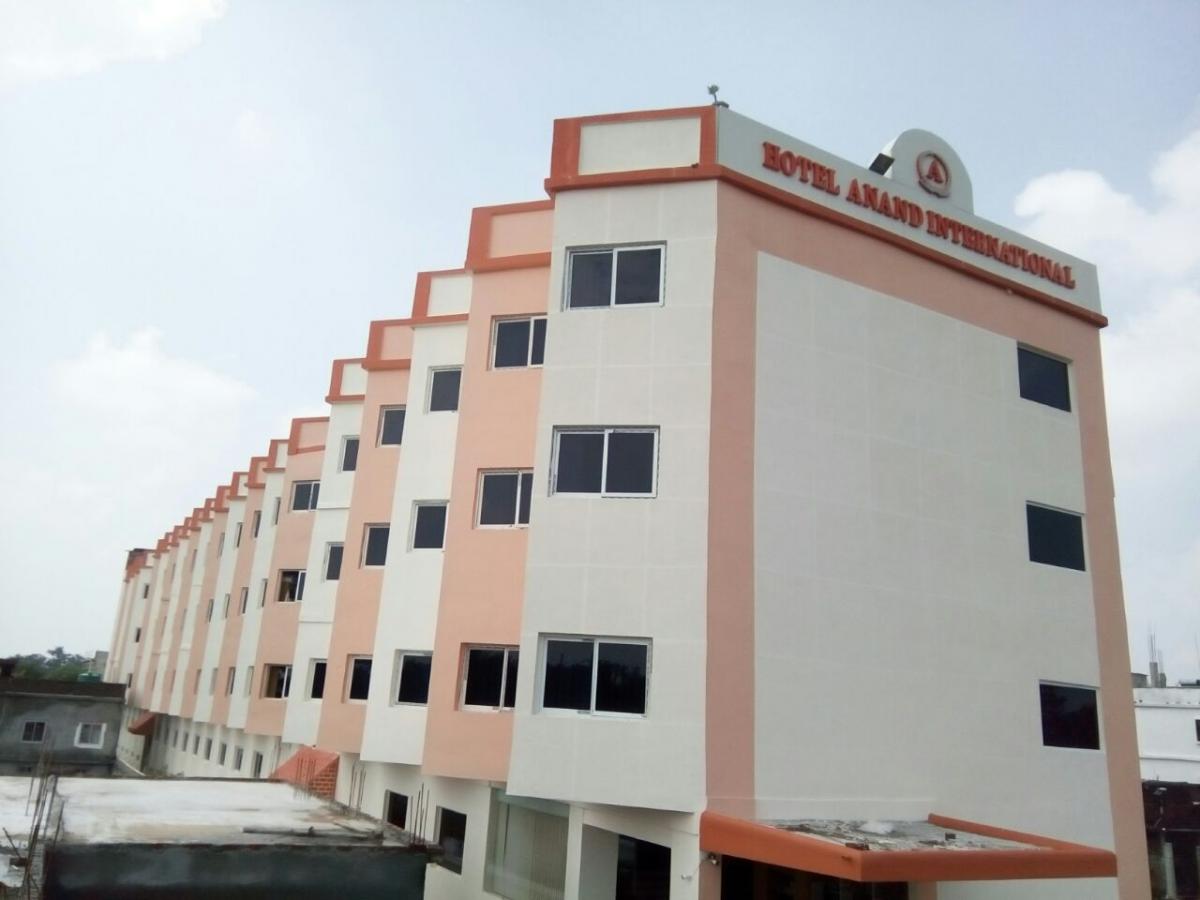
Anand International
Anand International
Anand International
Anand International 4 Star
Bodhgaya
Monuments & Sightseeing
Mahabodhi Temple
Mahabodhi Temple
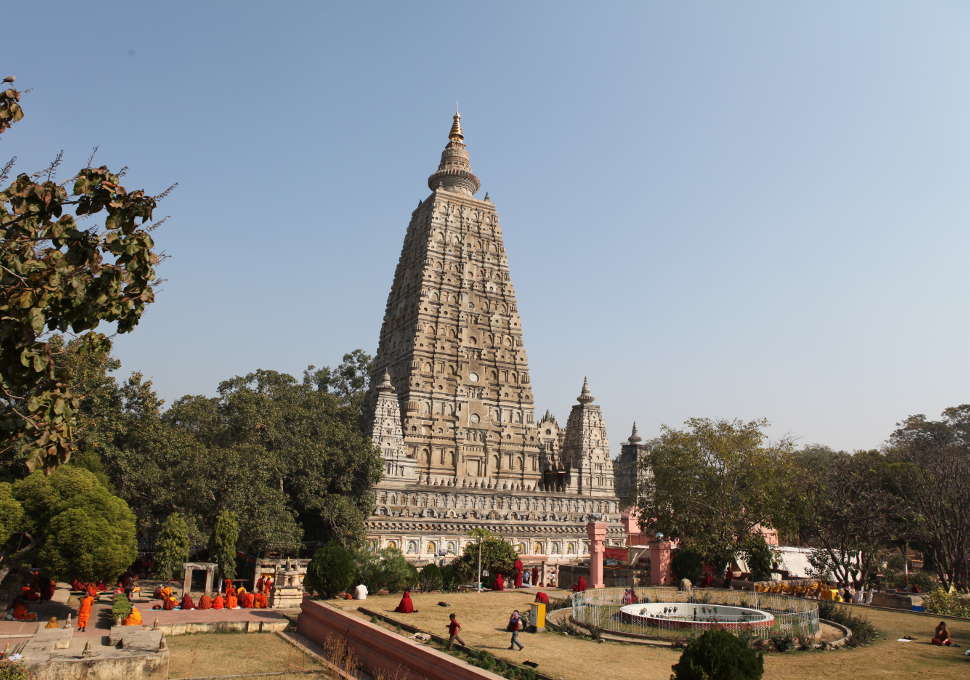
Mahabodhi Temple is considered one of the most important Buddhist pilgrimage sites, built to mark the site where the Buddha attained enlightenment beneath a sacred Bodhi Tree. Gautama Siddhartha reached on the banks of the Niranjana river, Bodhgaya. There he sat in meditation under a peepul tree, which later became known as the Bodhi tree. Siddharta attained enlightenment under the Bodhi tree. The Buddha then spent the succeeding seven weeks at seven different spots in the vicinity meditating and considering his experience. Several specific places at the current Mahabodhi Temple relate to the traditions surrounding these seven weeks: The first week was spent under the Bodhi tree. During the second week, the Buddha remained standing and stared, uninterrupted, at the Bodhi tree. This spot is marked by the Animeshlocha Stupa, to the north-east of the Mahabodhi Temple complex. There stands a statue of Buddha with his eyes fixed towards the Bodhi tree. The Buddha is said to have walked back and forth between the location of the Animeshlocha Stupa and the Bodhi tree. According to legend, lotus flowers sprung up along this route; it is now called Ratnachakrama or the jewel walk. He spent the fourth week near Ratnagar Chaitya, to the north-east side. During the fifth week, Buddha answered in details to the queries of Brahmins under the Ajapala Nigodh tree, now marked by a pillar. He spent the sixth week next to the Muchlinda pond. He spent the seventh week under the Rajyatna tree.
Sujata Stupa
Sujata Stupa
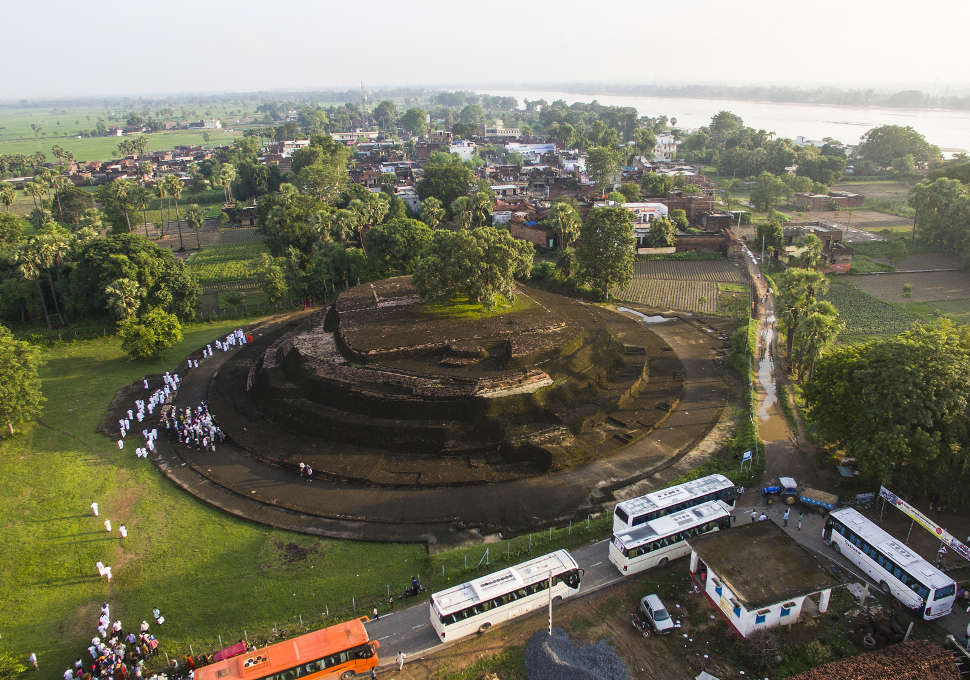
Sujata Stupa, also Sujata Kuti stupa or Sujata Garh, is a Buddhist stupa located in the village of Senanigrama (Bakraur) slightly east of Bodh Gaya in the state of Bihar, India. It lies directly across the Phalgu River from the town of Bodh Gaya, where Gautama Buddha is said to have attained enlightenment. It is a walk of about 20 minutes, from Bodh Gaya to Sujata Stupa. It was initially built in the 2nd century BCE as confirmed by finds of Dark Grey polished wares and a punch-marked coin in the monastery nearby
Sujata Temple
Sujata Temple
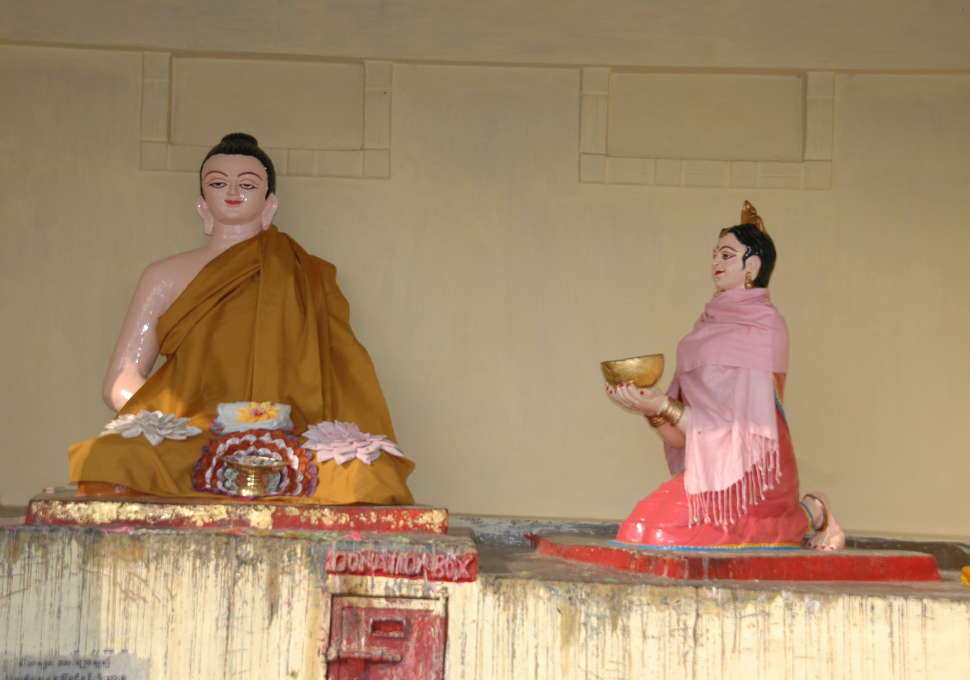
The Sujata Temple (or Sujata Mandir/Stupa) in Bakraur, near Bodhgaya, honors the milkmaid Sujata who famously offered milk-rice to Siddhartha Gautama, ending his seven-year fast and enabling him to follow the "middle path" to enlightenment. The site, located across the Phalgu River, features an excavated 2nd-century BCE stupa ruin, accessible daily.
Dharmaranya (Kasapha)
Dharmaranya (meaning "Forest of Dharma") holds deep historical and spiritual significance for Buddhist tourists as it is one of the ancient names for Bodh Gaya itself. Today, the name specifically refers to the Dharmaranya Vedi (or Temple) located in Bakraur, just across the Phalgu River from the main Mahabodhi complex. Ancient Roots of Enlightenment: Historically, the entire region surrounding the Bodhi Tree was known as Dharmaranya or Uruvela. It was a dense forest where Siddhartha Gautama practiced intense austerities for six years before realizing the "Middle Way".Encounter with Ascetics: Buddhist tradition identifies Dharmaranya as the site where the Buddha met the "Matted-hair Ascetics" (Kassapa brothers) and imparted teachings from the Dhammapada, showcasing the area's role in the early spread of Buddhist philosophy.Path to the Middle Way: The temple is located near the Sujata Stupa in Bakraur, marking the area where the village girl Sujata offered the Buddha rice milk. This pivotal act of compassion provided him the strength to reach enlightenment, making the vicinity a key stop on the "Footsteps of Buddha" pilgrimage.Interfaith Spiritual Heritage: While primarily known as a sacred Hindu "Vedi" for ancestor rituals (Pind Daan), it remains a place of veneration for Buddhists who visit to pay homage to the Buddha's long period of meditation in these woods.
1300 : Arrival, Lunch and check in Hotel.
1500 : Drive for BODHGAYA City sightseeing:
* Sujata Stupa & Temple
* Kasapha
* Mahabodhi Temple.
1900: Dinner & Overnight stay at Hotel.
Breakfast: Madin Hotel
Lunch: Anand International
Dinner: Anand International
Day 4
Bodhgaya → Rajgir → Nalanda → Vaishali
Saturday, 23 May 2026
B L D AP
Bodhgaya BDH Road
Monuments & Sightseeing
Mahabodhi Temple
Mahabodhi Temple
Mahabodhi Temple is considered one of the most important Buddhist pilgrimage sites, built to mark the site where the Buddha attained enlightenment beneath a sacred Bodhi Tree. Gautama Siddhartha reached on the banks of the Niranjana river, Bodhgaya. There he sat in meditation under a peepul tree, which later became known as the Bodhi tree. Siddharta attained enlightenment under the Bodhi tree. The Buddha then spent the succeeding seven weeks at seven different spots in the vicinity meditating and considering his experience. Several specific places at the current Mahabodhi Temple relate to the traditions surrounding these seven weeks: The first week was spent under the Bodhi tree. During the second week, the Buddha remained standing and stared, uninterrupted, at the Bodhi tree. This spot is marked by the Animeshlocha Stupa, to the north-east of the Mahabodhi Temple complex. There stands a statue of Buddha with his eyes fixed towards the Bodhi tree. The Buddha is said to have walked back and forth between the location of the Animeshlocha Stupa and the Bodhi tree. According to legend, lotus flowers sprung up along this route; it is now called Ratnachakrama or the jewel walk. He spent the fourth week near Ratnagar Chaitya, to the north-east side. During the fifth week, Buddha answered in details to the queries of Brahmins under the Ajapala Nigodh tree, now marked by a pillar. He spent the sixth week next to the Muchlinda pond. He spent the seventh week under the Rajyatna tree.
0600: Early morning after Breakfast visit Mahabodhi Temple again for Pooja and Meditation.
0730 : Drive for RAJGIR (100 Km/ 02 Hrs.)
Rajgir RJG Road
Monuments & Sightseeing
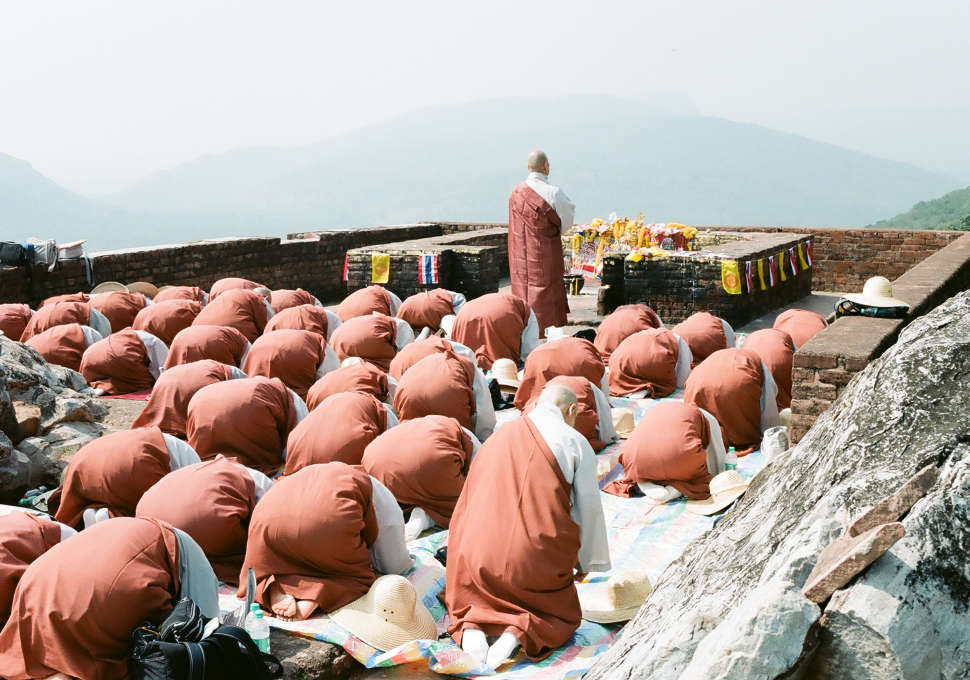
Vulture's Peak (Griddhakuta Mountain)
This is one of the most ancient sites where the Buddha is said to have preached his Lotus Sermon. Quite true to the meaning of its name as Vulture Peak indeed the peak appears as the shape of a vulture's head with a natural stone formation. The place is also referred as “Gujjhakut” in Buddhist text. One of the most ancient sites where the Buddha is said to have preached his Lotus Sermon was amongst the favorite meditating place of the Buddha. Even today one can feel the deep sense of spiritual power at the peak that is devoid of any man-made grandeur.
Venu Vana
Venu Vana
₹20 Indian₹150 Foreign₹150 SAARC
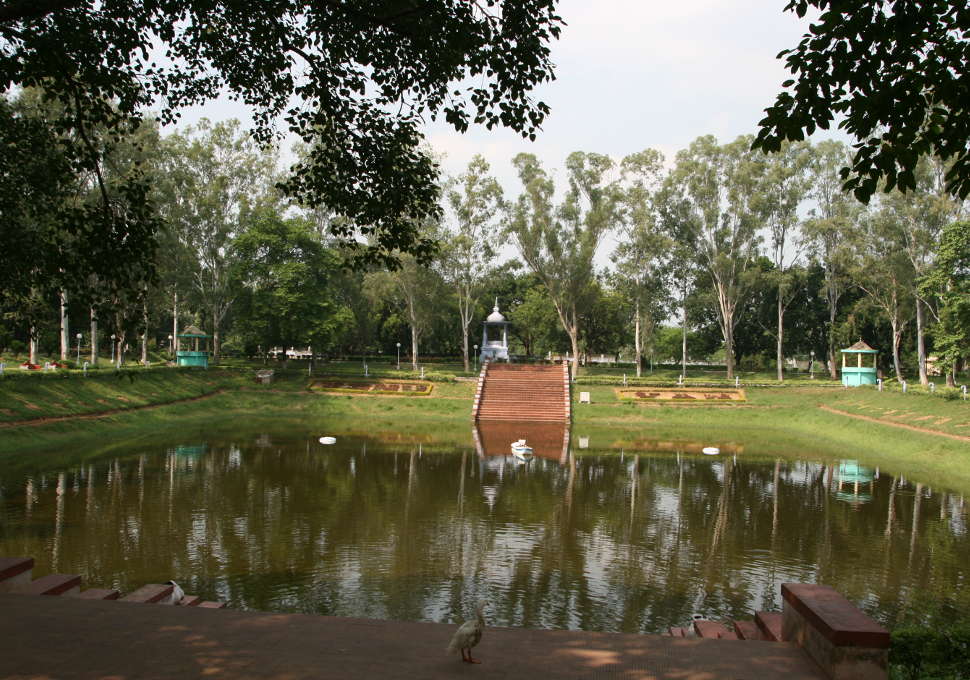
Venu Van or Bamboo grove was the Royal park Gifted to Lord Buddha for his Residence at Rajgir by King Bimbisara. It was king Bimbisar's first offering to Lord Buddha. The park was chosen by King Bimbisara since it was a quiet spot suitable for meditation as well as being in a convenient location not too far outside the town.The Buddha spent the second, third and fourth rainy season at Venuvana and many early discourses were preached at this site.A small tank can be seen in the park called Karandak Kanivapa. It is believed that Lord Buddha use to take bath during his stay in the Rajgir .
0930 : Soft trek for Griddhakuta Mountain ( 01 Hr.)
* Venu Vana
1100: Lunch at Restaurant of Hotel Indo Hokke.
1200: Drive for NALANDA (20 Km/25 Mins)
Nalanda NAL Road
Monuments & Sightseeing
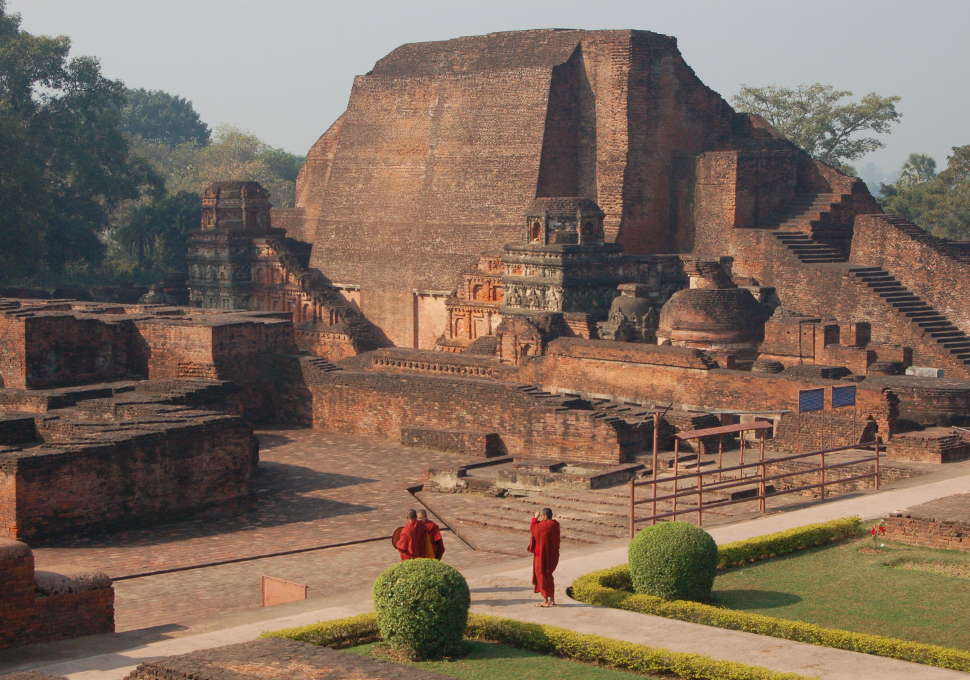
Nalanda Ruins
Nalanda Ruins
₹30 Indian₹600 Foreign₹200 SAARC
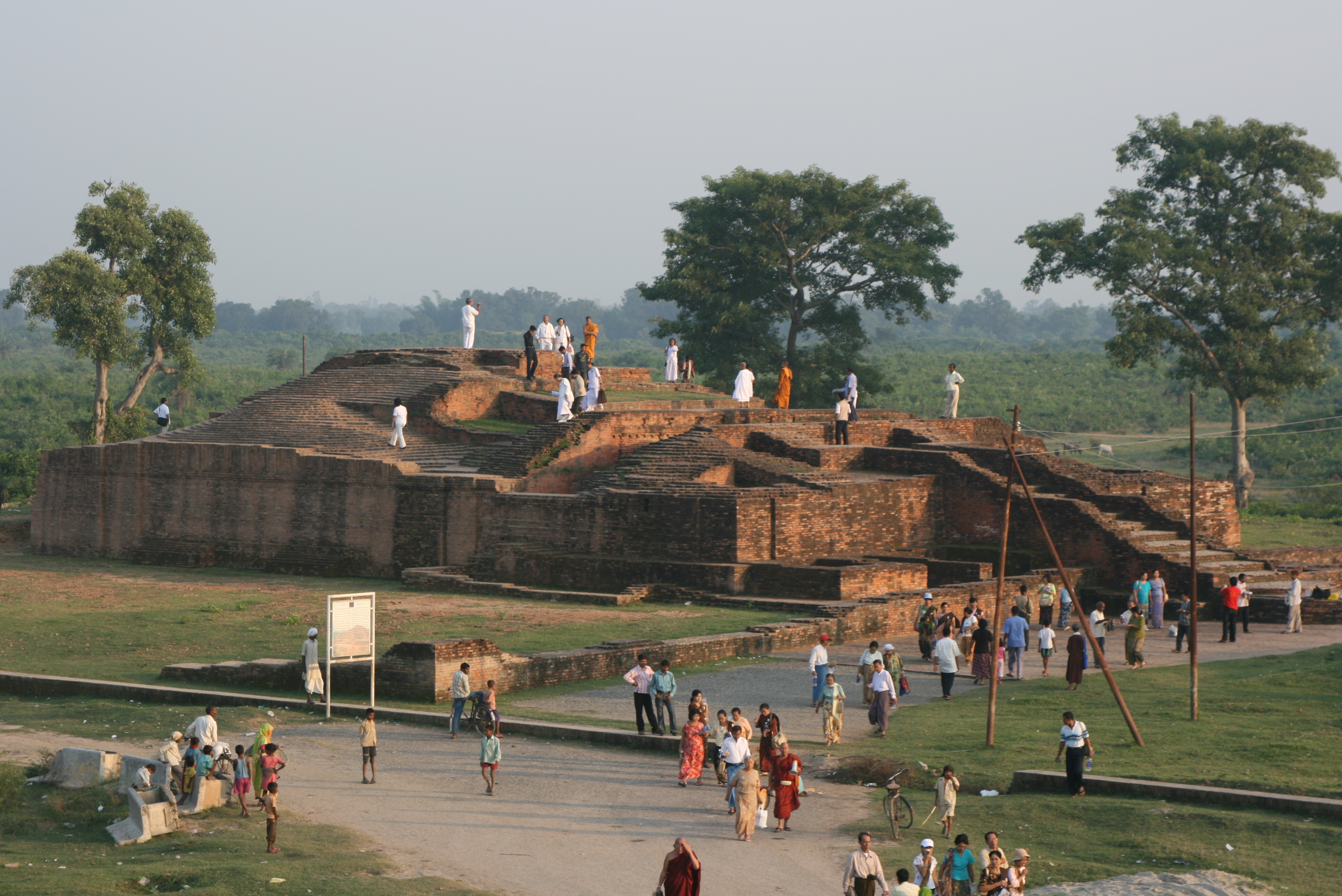
Nalanda was initially a major trade route that ran through the nearby capital city of Magadha, Rajgir. Jain thirthankara, Mahavira, spent 14 rainy seasons at Nalanda. Gautama Buddha too is said to have delivered lectures in a nearby mango grove named Pavarika. Buddha's one of his chief disciples, Shariputra, was born in Nalanda and later attained nirvana there. The highly formalized methods of Vedic learning helped inspire the establishment of large teaching institutions such as Taxila, Nalanda, and Vikramashila which are often characterised as India's early universities.
1230: Visit : Ruins of Ancient Buddhist university.
1400: Drive for VAISHALI ( 150 KM /03 Hrs.)
Vaishali VAI Road
Accommodation
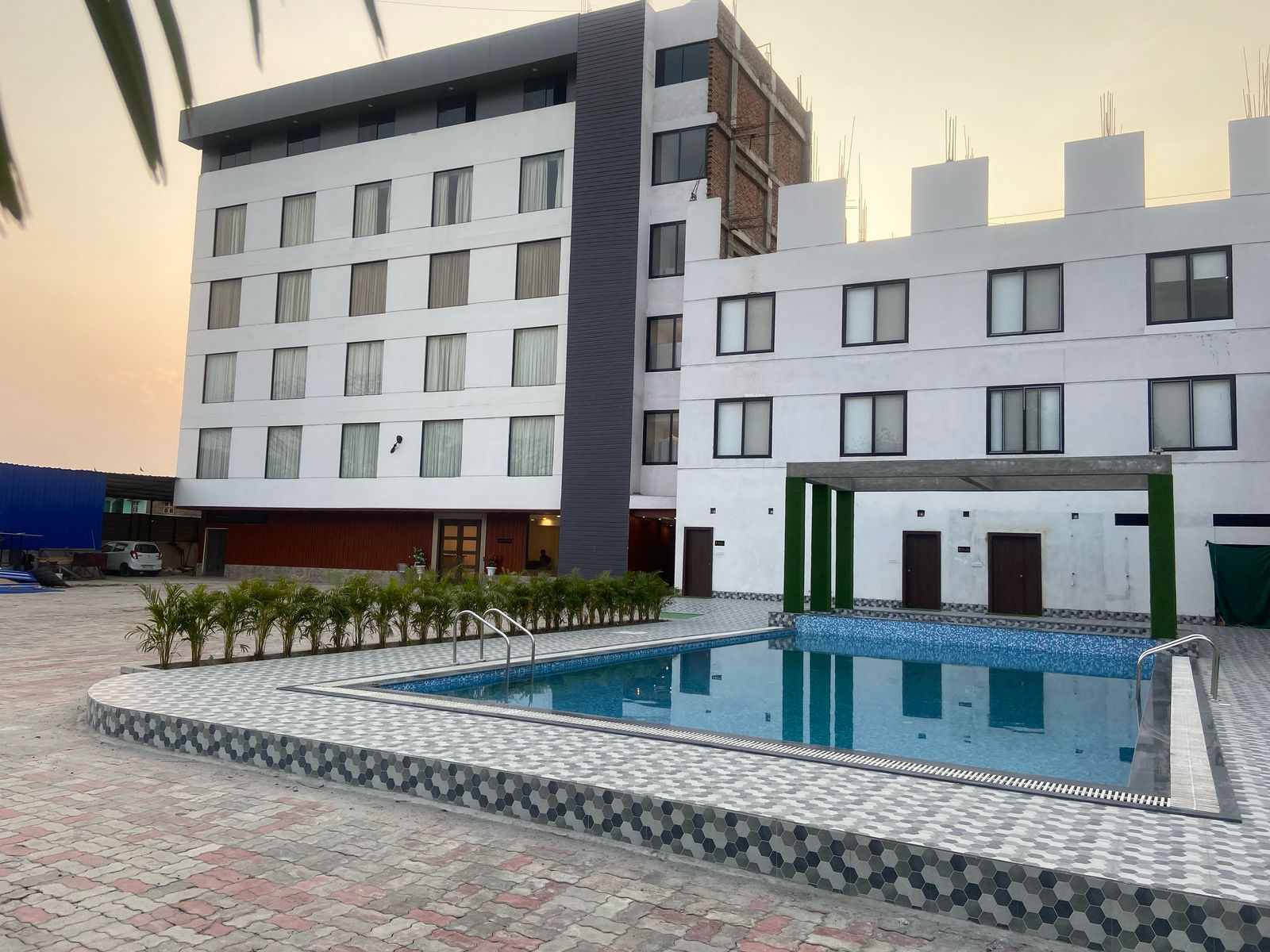
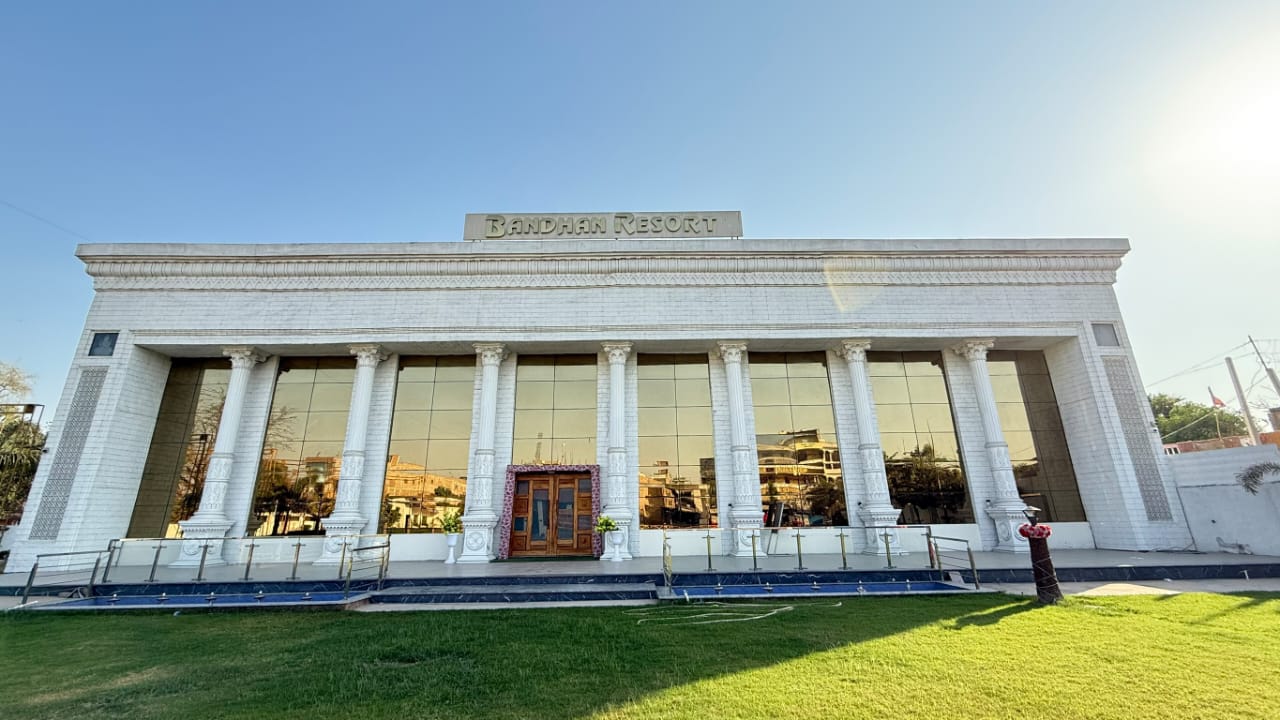
Bandhan Resort
Bandhan Resort
Bandhan Resort
Bandhan Resort 4 Star
Vaishali
Monuments & Sightseeing
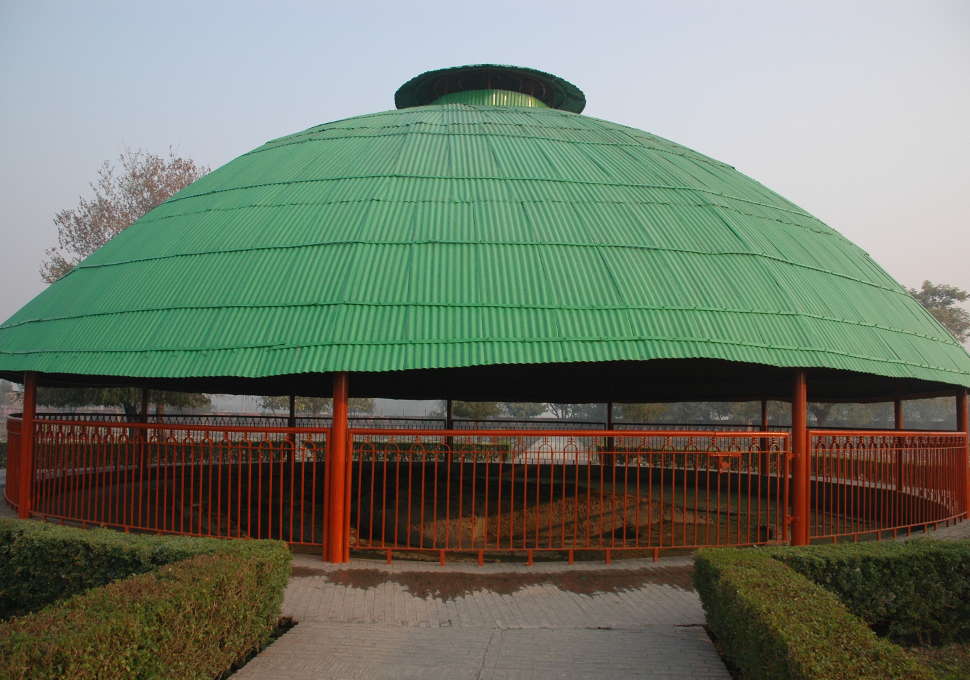
Relic Stupa
Relic Stupa
₹0 Foreign
The Buddha Relic Stupa was built by Lichhavis as a mud-stupa in the 5th century BC. The stupa was later discovered in an archaeological excavation carried out under the aegis of Patna-based K.P. Jayaswal Research Institute during 1958-1962. The relic casket excavated from the core of the stupa contained the holy ashes of Lord Buddha mixed with earth, a piece of conch, pieces of beads, a thin golden leaf and a copper punch-marked coin. The casket was brought to Patna Museum in 1972.
Ashokan Pillar
Ashokan Pillar
₹20 Indian₹300 Foreign₹100 SAARC
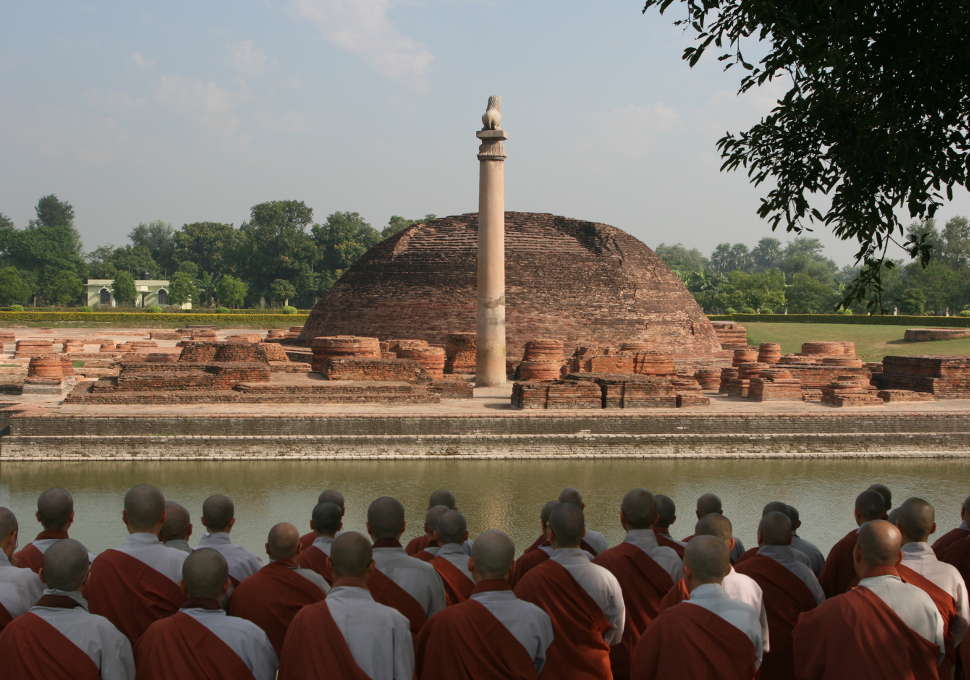
Emperor Ashoka built The Lion Pillar at Kolhua. It is made of a highly polished single piece of red sandstone, surmounted by a bell shaped capital, 18.3 m high. A life-size figure of a lion is placed on top of the pillar. There is a small tank here known as Ramkund. This pillar beside a brick stupa at Kolhua commemorates Buddha's last sermon.
1700 : Visit :
* Ashokan Pillar
* Relic Stupa
1900: Dinner and overnight stay at hotel.
Breakfast: Anand International
Lunch: Bandhan Resort
Dinner: Bandhan Resort
Day 5
Vaishali → Kesaria → Kushinagar
Sunday, 24 May 2026
B L D AP
Vaishali VAI Road
0630: After Breakfast drive for KESARIA (60 Km/ 1.5 Hrs.)
Kesaria KES Road
Monuments & Sightseeing
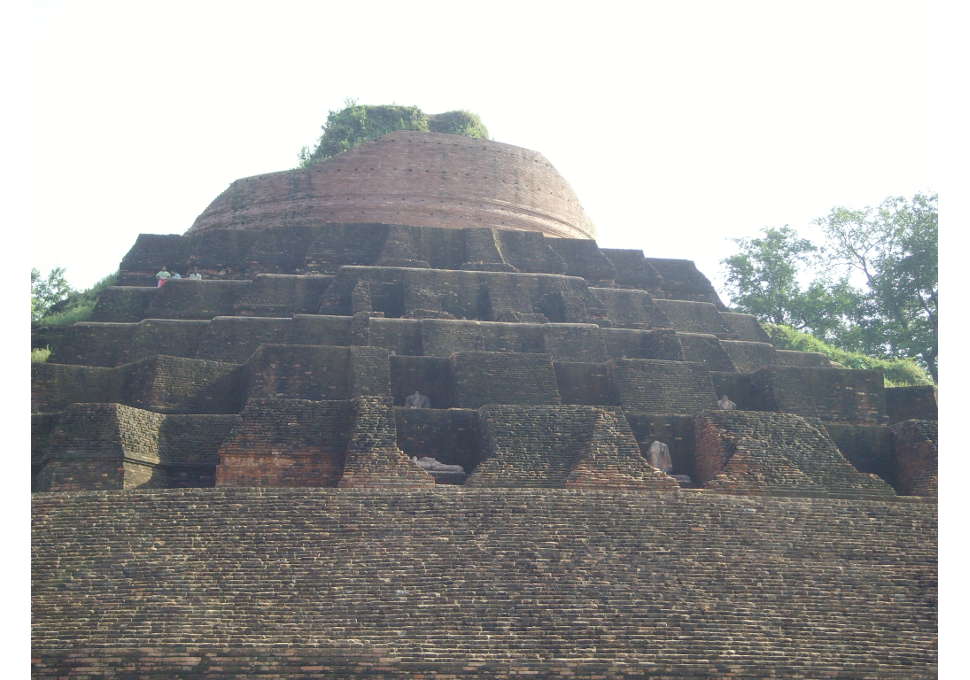
Kesaria Stupa
Kesaria Stupa
Kesariya Stupa, located in East Champaran, Bihar, is the tallest and largest Buddhist stupa in the world, standing at 104 feet with a 400-foot circumference. Initially built in the 3rd century BCE during Ashoka's reign, it was later expanded during the Gupta period (200-750 AD). The site was excavated by the Archaeological Survey of India (ASI) in 1998, though it had been explored since the 19th century. The stupa is linked to Lord Buddha's last journey, where he reportedly donated his alms bowl to the Licchavis at Kesariya before proceeding to Kushinagar. Ancient travelers Faxian and Xuan Zang documented the site's historical significance. Excavations revealed a six-tiered polygonal structure, and discoveries like gold coins of Emperor Kanishka further establish its rich heritage. The stupa is now a protected monument of national importance under ASI.
0800: Visit one of the largest Buddhist Stupa - Kesaria Stupa.
1000 : Drive for KUSHINAGAR.
Kushinagar KSR Road
Accommodation
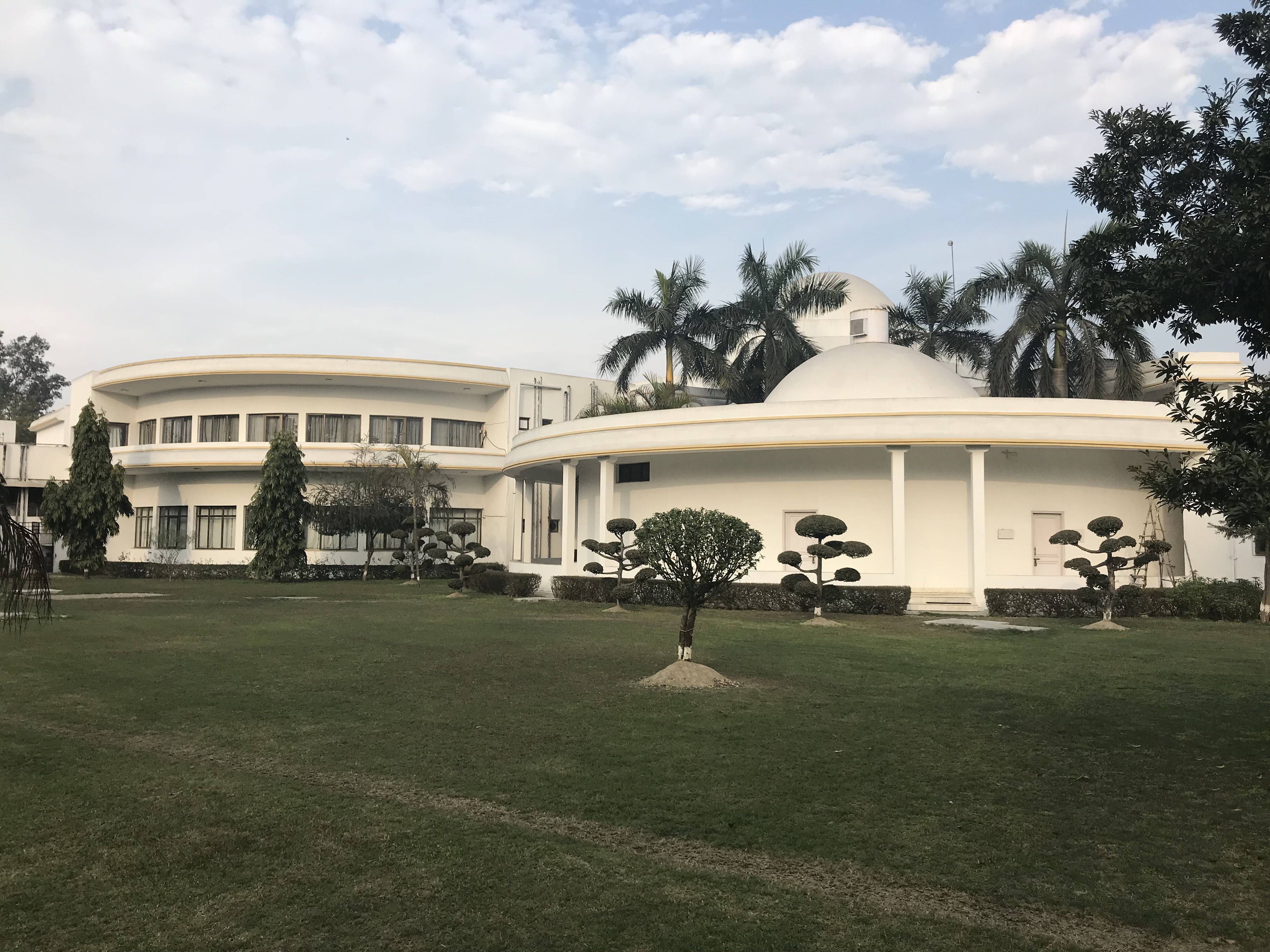
Royal Residency Kushinagar
Royal Residency Kushinagar 4 Star
Kushinagar
Monuments & Sightseeing
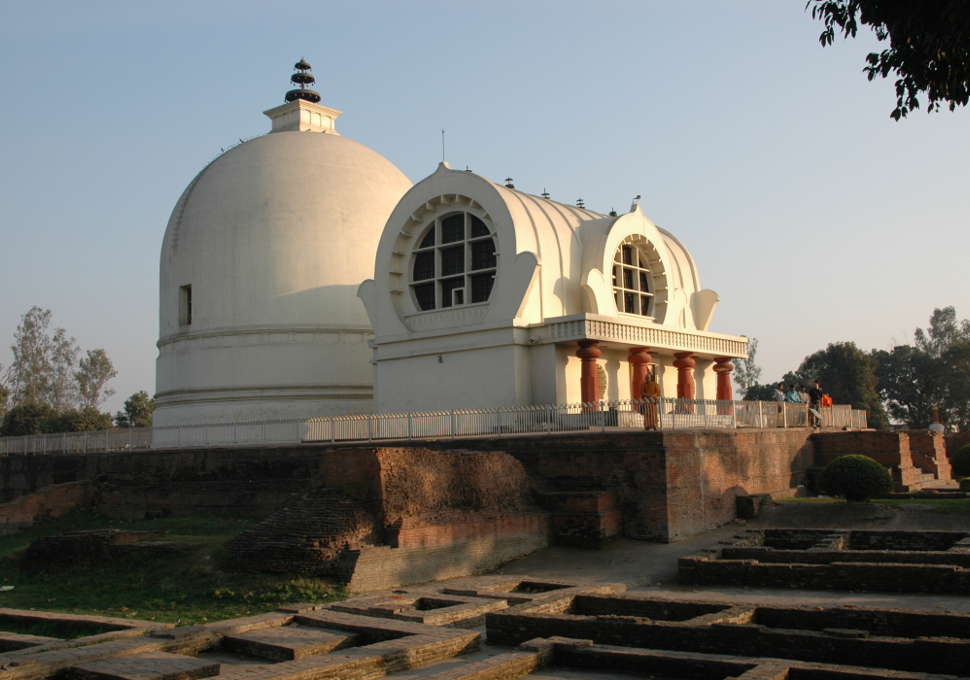
Mahaparinirvana Temple
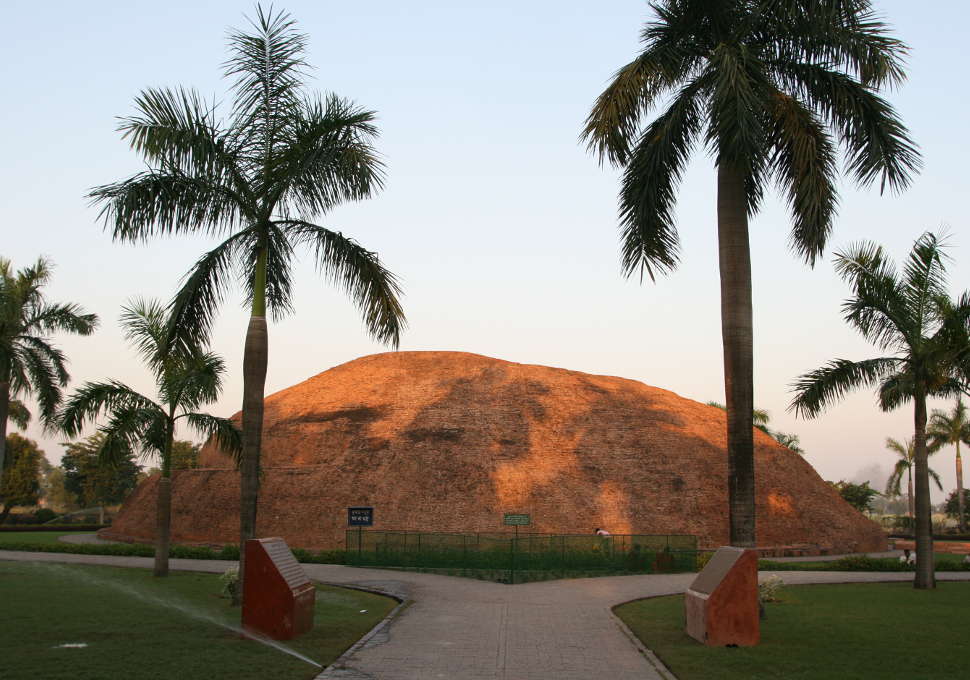
The Mahaparinirvana Temple in Kushinagar, Uttar Pradesh, is a premier Buddhist pilgrimage site marking where Gautama Buddha passed away and attained Parinirvana. It houses a 6.1-meter-long reclining Buddha statue facing west, carved from monolithic red sandstone, which lies on a brick pedestal. The current temple, rebuilt in 1956 on ancient foundations, lies near the 5th-century stupa.
Ramabhar Stupa
Ramabhar Stupa
Ramabhar Stupa, also known as Mukut Bandhan Chaitya, is a significant Buddhist site in Kushinagar, India, marking the site where Lord Buddha was cremated around 483 BC. This 14.9-meter high brick stupa, surrounded by green spaces, is located about 1 km from the main Parinirvana Temple and is a major pilgrimage destination for followers worldwide.
Matha Kuar
Matha Kuar
The Matha Kuar Shrine (or Matha Kunwar) in Kushinagar is a significant Buddhist pilgrimage site located near the Parinirvana Stupa. It houses a 3-meter-tall Buddha statue carved from blue stone in the Bhumisparsha Mudra (earth-touching gesture), marking the spot where Buddha reportedly gave his last sermon before passing away.
1300: Arrival, lunch and check In hotel.
1500: Visit:
* Mahaparinirvana Temple
* Ramabhar
* Matha Kuar
1900: Dinner & overnight stay at hotel.
Breakfast: Bandhan Resort
Lunch: Royal Residency Kushinagar
Dinner: Royal Residency Kushinagar
Day 6
Kushinagar → Lumbini
Monday, 25 May 2026
B L D AP
Kushinagar KSR Road
0700: After breakfast drive for LUMBINI - NEPAL ( Another Country)
Total driving and immigration clearing time estimated 5 hrs.
Lumbini LUM Road
Accommodation
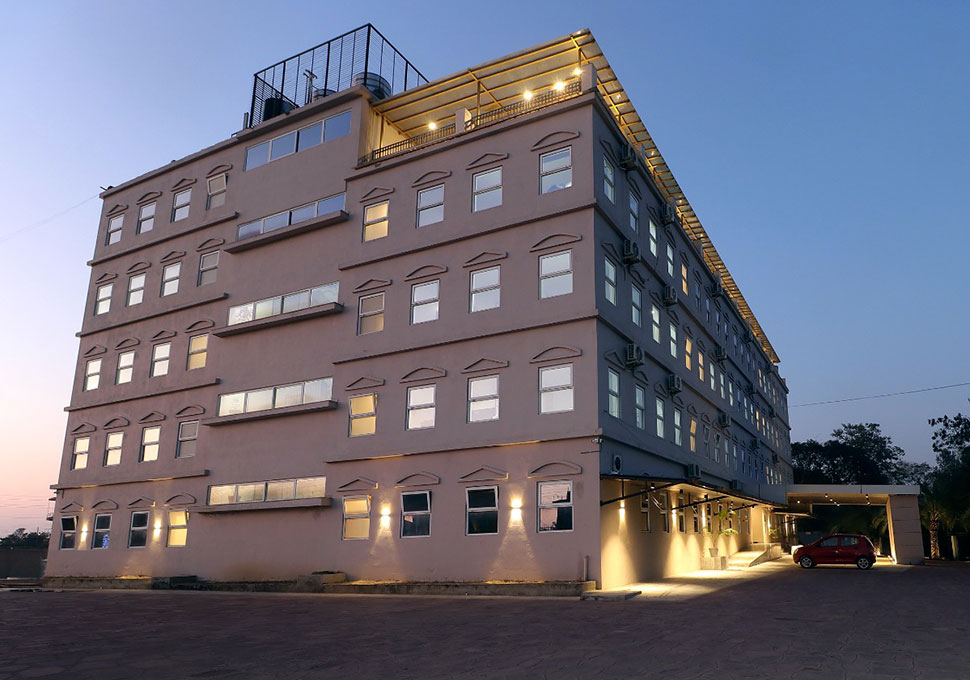
Landmark Bhairahawa
Landmark Bhairahawa
Landmark Bhairahawa
Landmark Bhairahawa 4 Star
Lumbini
Monuments & Sightseeing
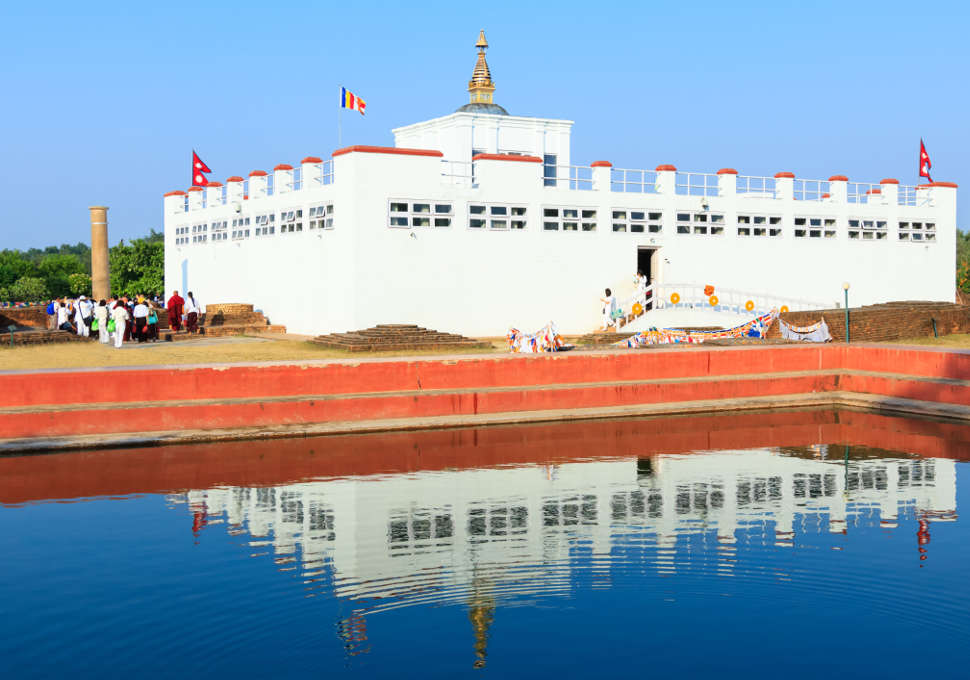
Mayadevi Temple
Mayadevi Temple
₹450 Foreign₹40 SAARC
Maya Devi Temple is an ancient Buddhist temple situated at the UNESCO World Heritage Site of Lumbini, Nepal. It is the main temple at Lumbini, a site traditionally considered the birthplace of Gautama Buddha. The temple stands adjacent to a sacred pool (known as pushkarani) and a sacred garden. The archaeological remains at the site were previously dated to the third-century BCE brick buildings constructed by Ashoka. A sixth-century BCE timber shrine was discovered in 2013.
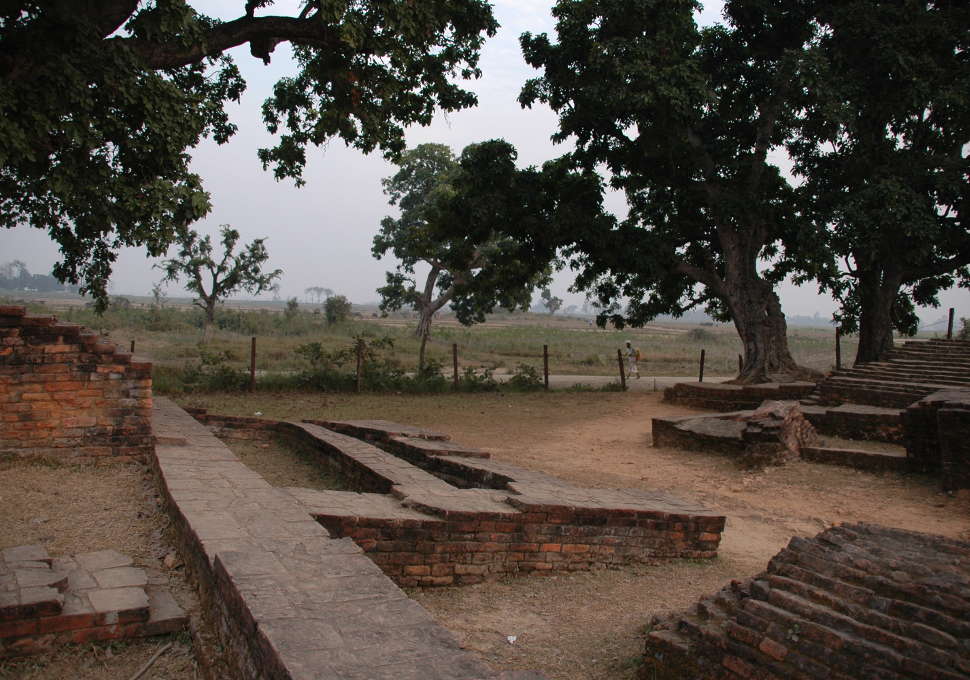
Tilaurakot
Tilaurakot
Tilaurakot, located in the Kapilvastu district of Nepal, is the ancient capital of the Shakya Kingdom, where Prince Siddhartha (later Lord Buddha) spent his first 29 years. As a significant archaeological site (9th century BCE – 3rd century CE), it features excavated remains of a palace, fortified walls, and a town center.
Kudan
Kudan
The site is located nearly six kilometers (3.7 miles) south of Buddha’s childhood home, the palace at Tilaurakot. Kudan served as a meeting place for Buddha’s followers and also hosted the ordination of his son, Rahula, an event commemorated by a stupa erected atop the tallest hill. Consequential theological debates were also held at Kudan, including whether women ought to be ordained.
1200: Arrival, lunch and check in hotel.
1300: Visit:
* Mayadevi Temple
* Tilaurakot
* Kudan
1900: Dinner and overnight stay at hotel.
Breakfast: Royal Residency Kushinagar
Lunch: Landmark Bhairahawa
Dinner: Landmark Bhairahawa
Day 7
Lumbini → Kapilvastu → Sravasti
Tuesday, 26 May 2026
B L D AP
Lumbini LUM Road
0600: After early breakfast drive for SRAVASTI. Again INDIA.
Kapilvastu KAP Road
Monuments & Sightseeing
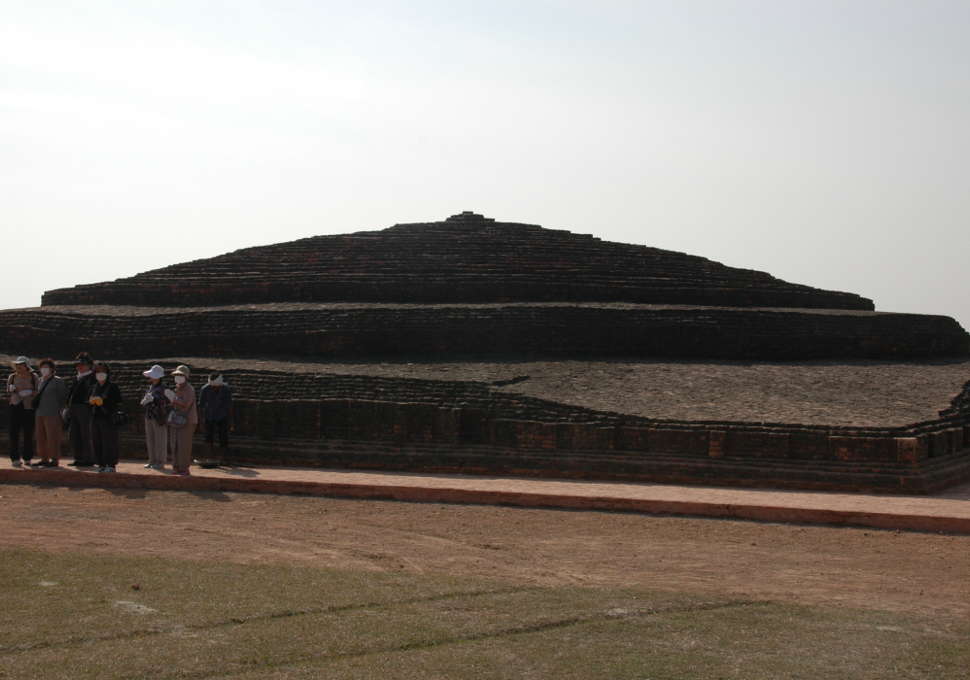
Piprahwa Stupa
Piprahwa Stupa
₹300 Foreign
The Piprahwa Stupa, located in the Siddharthnagar district of Uttar Pradesh, India, is a highly significant archaeological site believed to be the ancient city of Kapilavastu, where Siddhartha Gautama spent his first 29 years. Excavated in 1898, it yielded sacred bone relics and inscribed caskets indicating it was the Shakya clan's share of Buddha's ashes.
0900: Visit Piprahwa stupa.
1000: Drive for SRAVASTI ( 160 Km/3.5 Hrs.)
Sravasti SRV Road
Accommodation
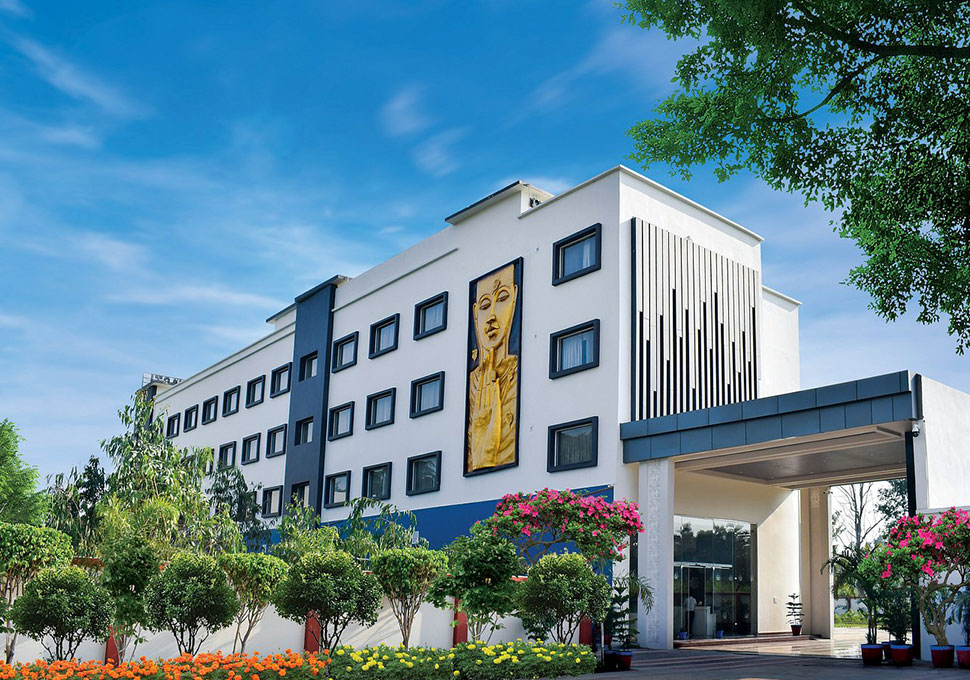
Tulip Inn Sravasti
Tulip Inn Sravasti
Tulip Inn Sravasti
Tulip Inn Sravasti 4 Star
Sravasti
Monuments & Sightseeing
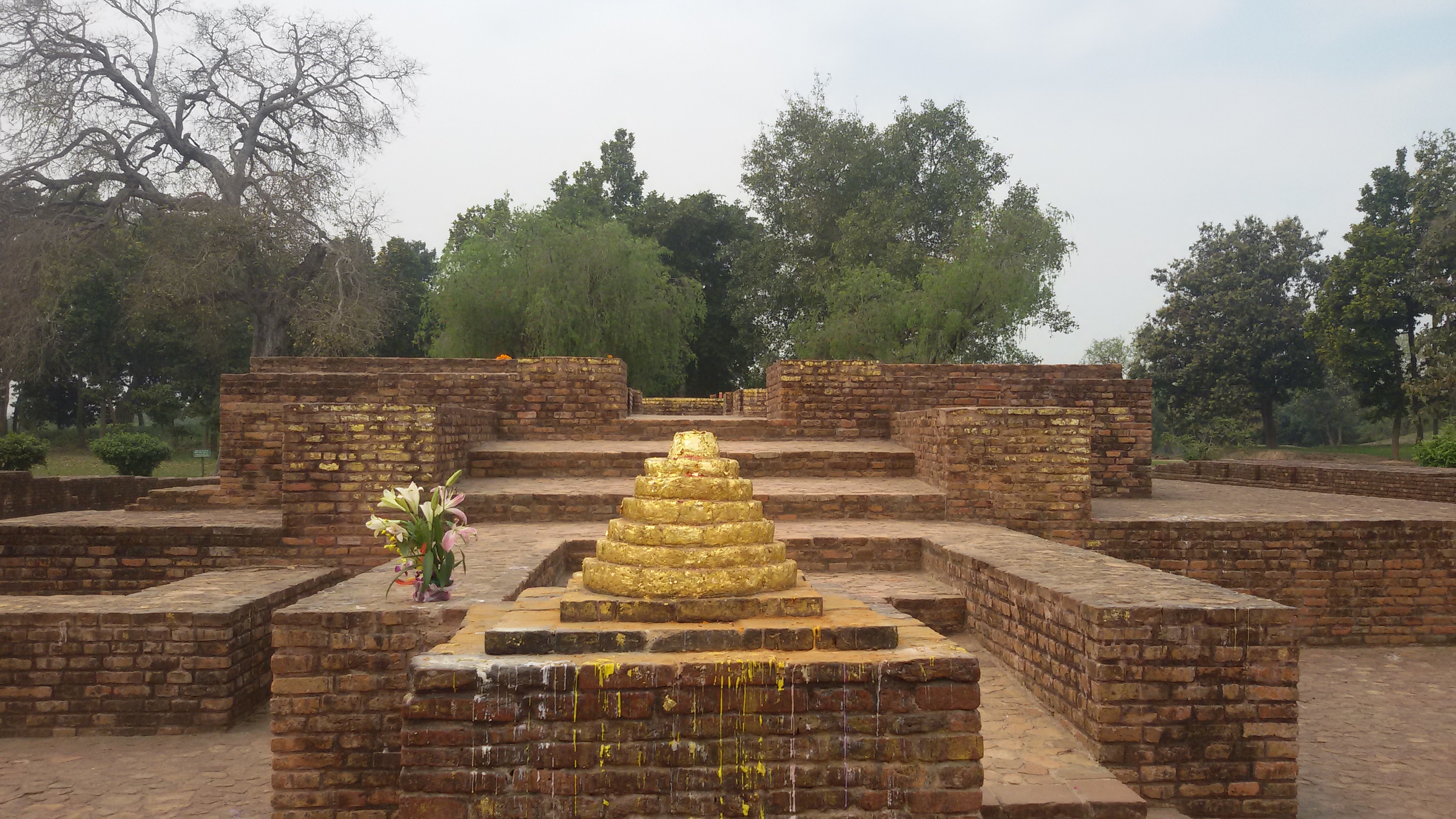
Jetavana
Jetavana
₹300 Foreign
Jetavana was the place where the Buddha gave the majority of his teachings and discourses, having stayed at Jetavana nineteen out of 45 vassas (monsoon retreats), more than in any other vihāra. It is said that after the Migāramātupāsāda, a second vihara erected at Pubbarama close to Savatthi was built by the Buddha's chief female lay disciple, Visakha, the Buddha would dwell alternately between Jetavana and Migāramātupāsāda, often spending the day in one and the night in the other.
Sudatta Stupa
Sudatta Stupa
The Sudatta Stupa, commonly identified as the Kachchi Kuti in the Mahet area of Shravasti, Uttar Pradesh, is a major archaeological site believed to be built on the foundations of the house of Sudatta (also known as Anathapindika), a wealthy patron of Gautama Buddha
Orajhar
Orajhar
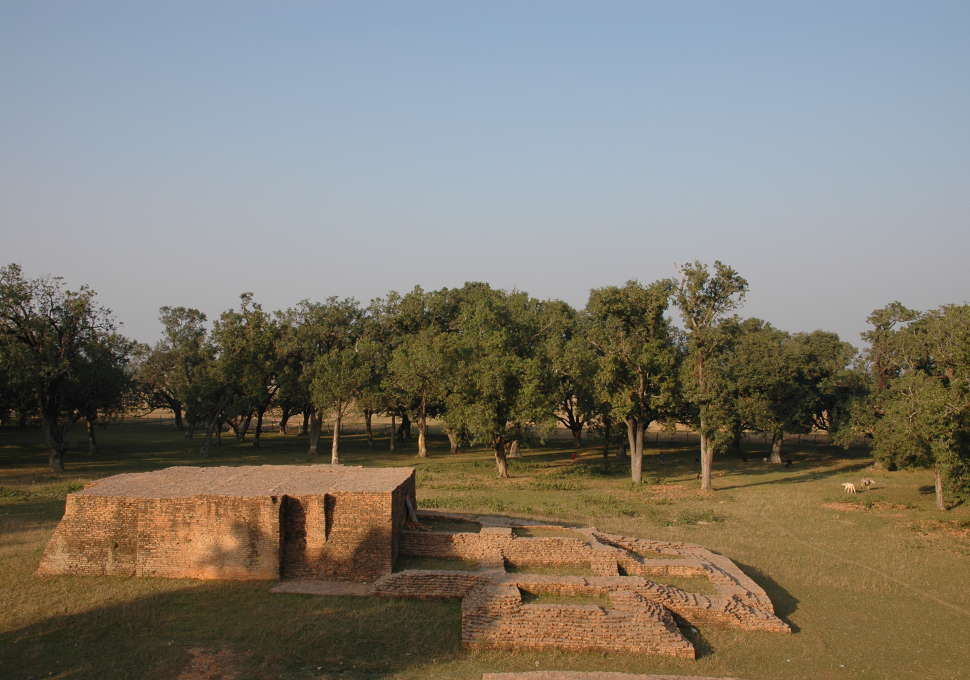
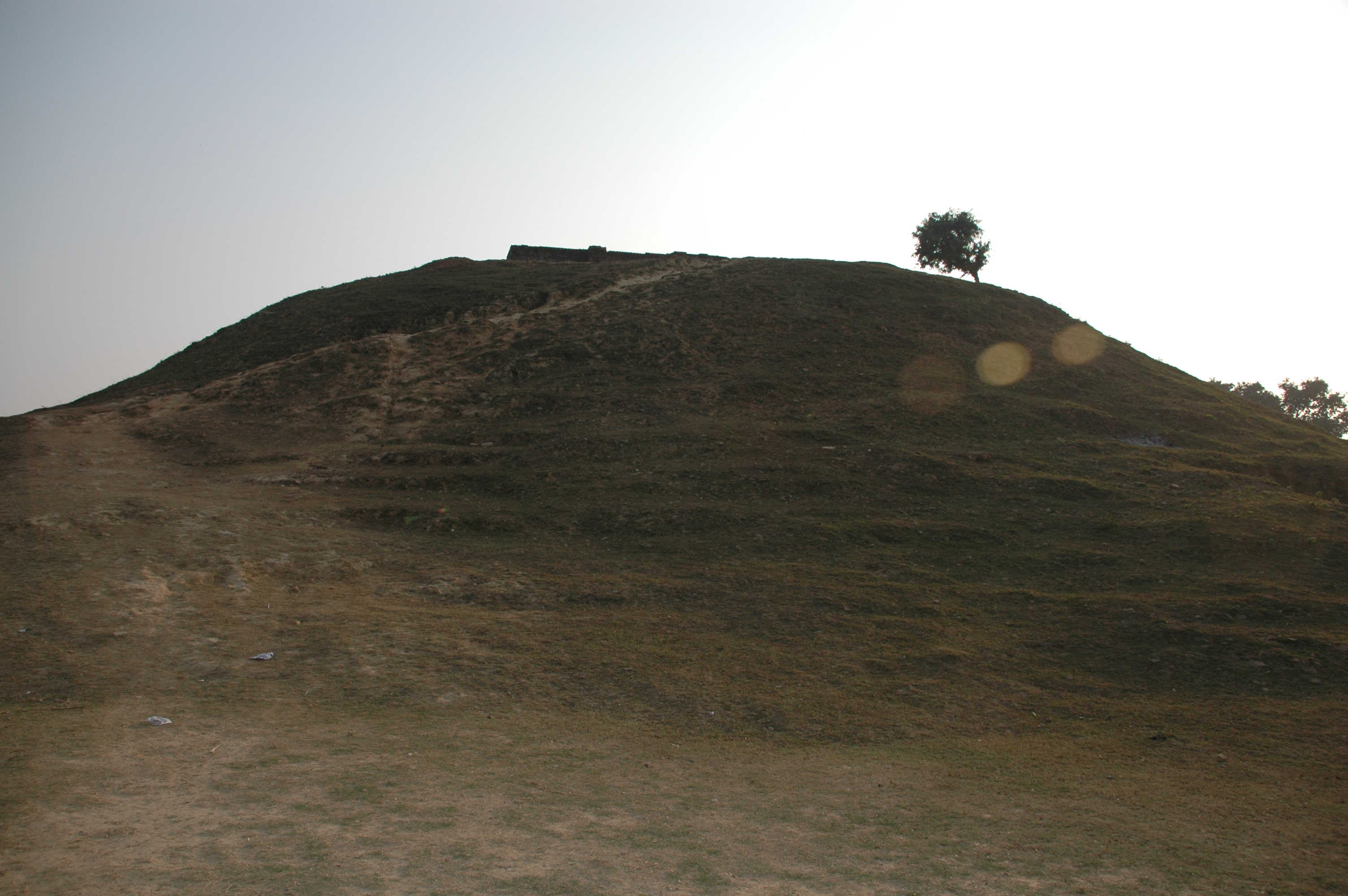
Orajhar, located 3 km from the Shravasti bus station on the Bahraich-Balrampur road, is a significant Buddhist archaeological site where Lord Buddha is believed to have performed the Twin Miracle. It is a high, grassy mound (stupa ruins) featuring ruins from the Kushan and Gupta periods, representing the Purvarama Monastery.
1330: Arrival , Lunch and check in hotel.
1500: Visit:
*Jetvana
*Angulimaal Stupa
* Sudatta Stupa
* Orajhar
1900: Dinner & overnight stay at hotel.
Breakfast: Landmark Bhairahawa
Lunch: Tulip Inn Srv
Dinner: Tulip Inn Srv
Day 8
Sravasti → Lucknow → Sankisa → Agra
Wednesday, 27 May 2026
B L D AP
Sravasti SRV
0700: After Breakfast, drive for SANKISA
Lucknow LKO Road
1200: Lunch at Lucknow hotel.
0100: Drive for SANKISA.
Sankisa SKS Road
Monuments & Sightseeing
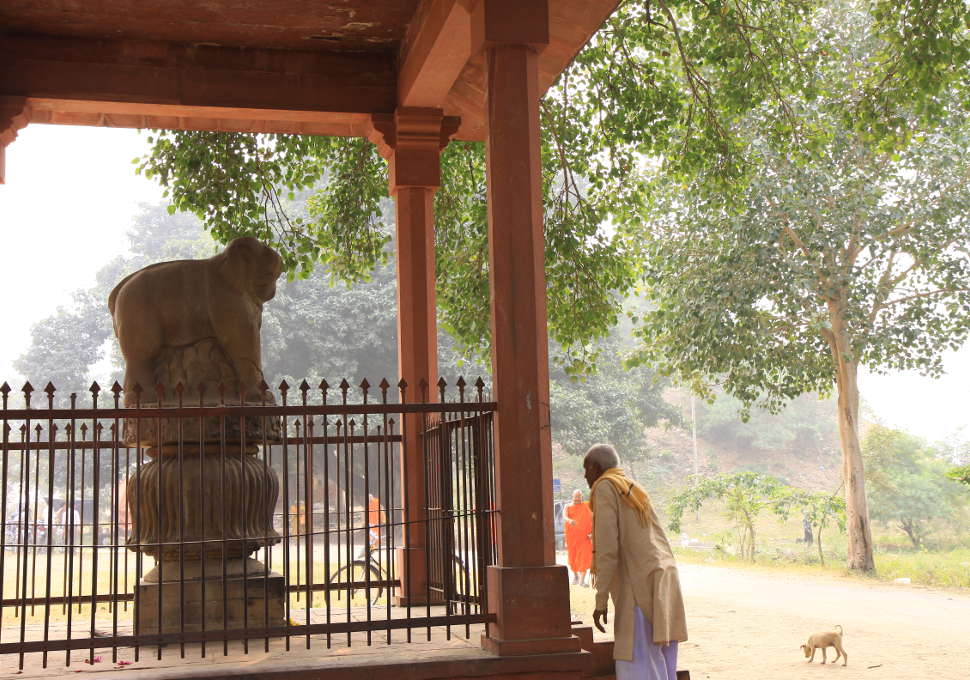
Sankisa
Sankisa
Sankisa (or Sankassa), located in Farrukhabad, Uttar Pradesh, is a major Buddhist pilgrimage site where Buddha is believed to have descended from Tushita Heaven. Key attractions include the Ashokan Elephant Pillar, ancient archaeological mounds, and modern temples like the Myanmar Buddhist Temple
1600: Arrival and visit * Sankisa Stupa
1700: Drive for AGRA
2000: Dinner and overnight at Hotel.
Agra AGR Road
Accommodation
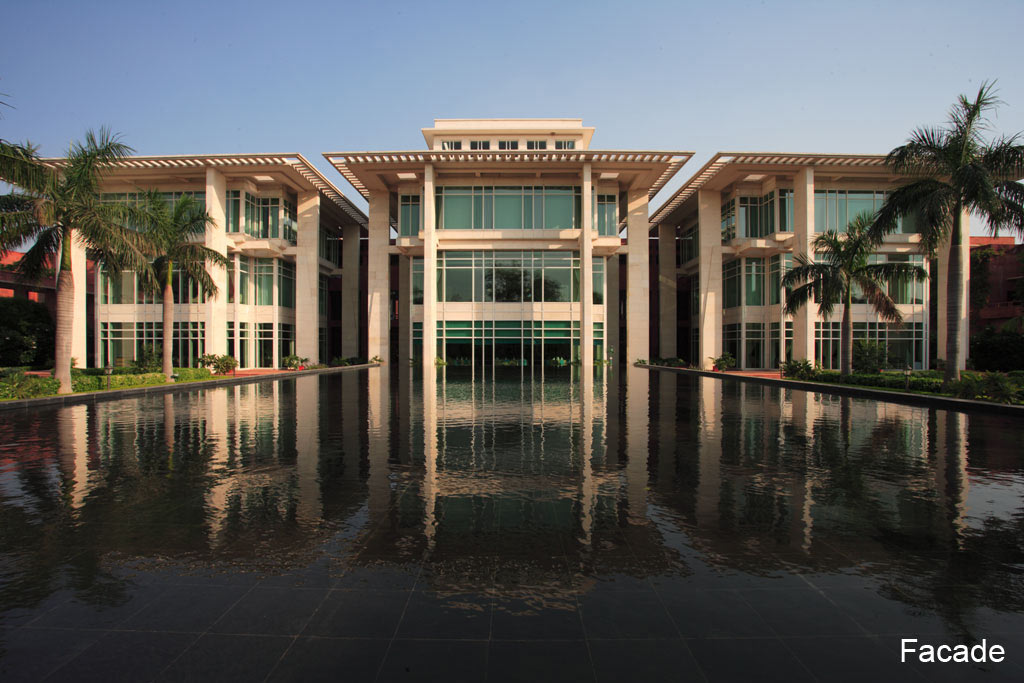
Jaypee Palace
Jaypee Palace
Jaypee Palace
Jaypee Palace 5 Star
Agra
2000: Dinner and overnight at Hotel.
Breakfast: Tulip Inn Srv
Lunch: Rest-The Piccadily Lucknow
Dinner: Jaypee Palace
Day 9
Agra → New Delhi → Incheon
Thursday, 28 May 2026
B L D EP
Agra AGR Road
Monuments & Sightseeing
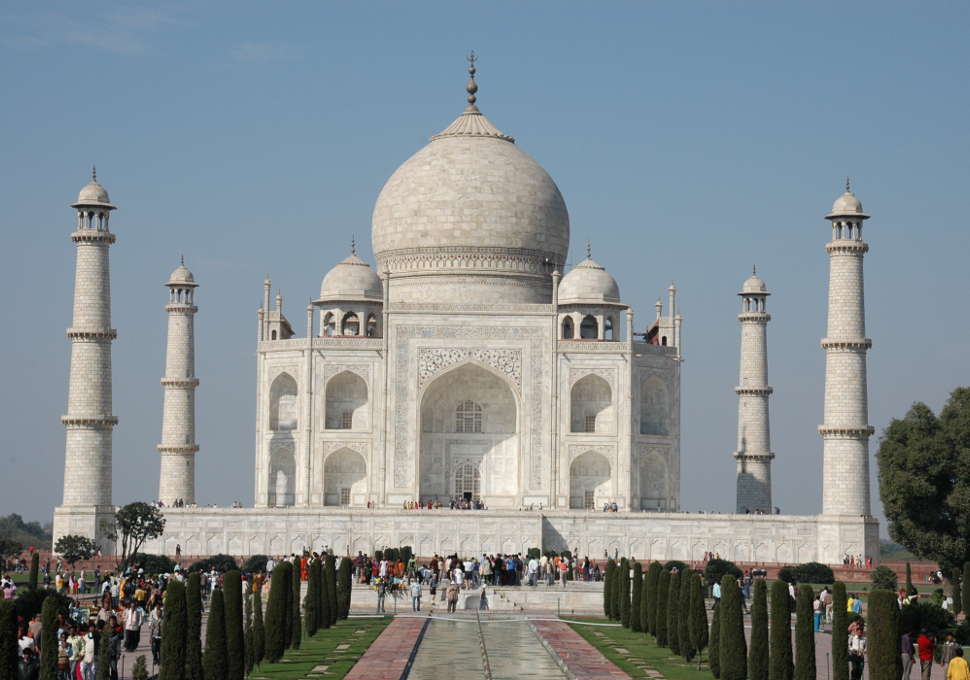
Taj Mahal
Taj Mahal
₹1,300 Foreign
The Taj Mahal is an ivory-white marble mausoleum on the right bank of the river Yamuna in Agra, Uttar Pradesh, India. It was commissioned in 1631 by the fifth Mughal emperor, Shah Jahan, to house the tomb of his beloved wife, Mumtaz Mahal; it also houses the tomb of Shah Jahan himself.
Agra Fort
Agra Fort
₹600 Foreign
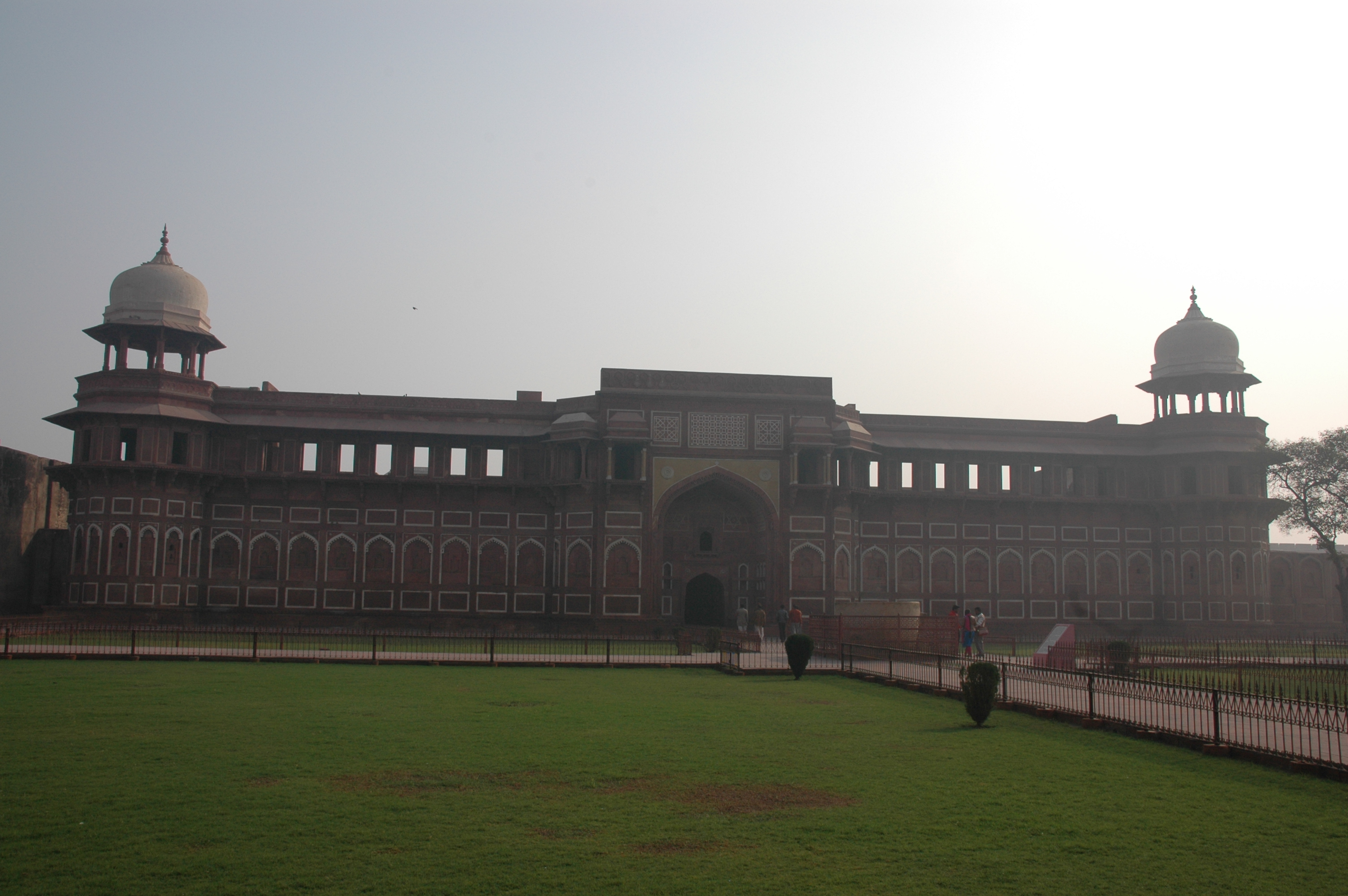
Agra Fort, a UNESCO World Heritage Site since 1983, is a massive 16th-century Mughal monument. Located on the banks of the Yamuna River, it is approximately 2.5 km northwest of the Taj Mahal. While often overshadowed by its "sister monument," the fort was the primary residence of the Mughal emperors until 1638 and is essentially a walled city.
0730: After breakfast visit:
* Taj Mahal
* Agra Fort
1200: Lunch at Hotel
1300: Drive for New Delhi (260 Km/ 5 Hrs.)
New Delhi DEL Road
Monuments & Sightseeing
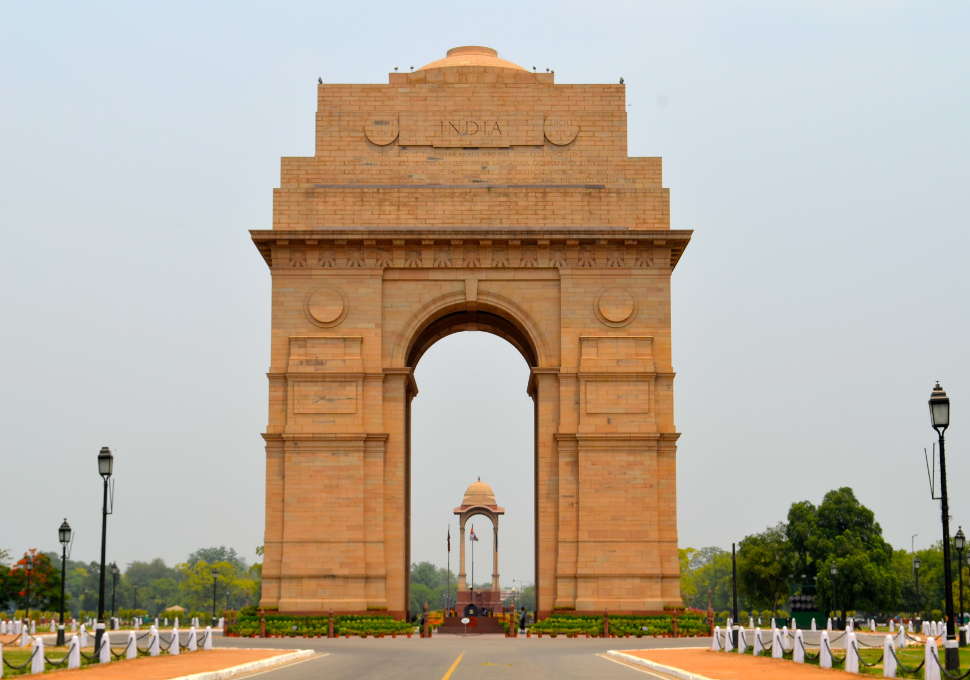
India Gate
India Gate
India Gate - Formerly named as 'All India War Memorial' was a project of I.W.G.C (Imperial War Graves Commission). I.W.G.C came into existence in 1917 during the First World War. The commission takes responsibility to commemorate all the Commonwealth war dead individually or equally. All India War Memorial, now known as India Gate was commissioned in 1921, and stands strong as a memorial to all the 70,000 soldiers died in the First World War. Names of 13,000 servicemen including few from the United Kingdom is thoroughly inscribed on the gate. Though the structure resembles many great historical monuments, but it is sincerely compared with Arch De Triumph of Paris. Like most historical monuments, this world's largest memorial was also designed by Sir Edwin Landsir Lutyens and foundation stone was laid by Prince Arthur (the Duke Of Cannaught). 12 February 1931, on this historical day, Lord Irwin, the then Viceroy of India inaugurated the memorial and said, 'those who after us shall look upon this monument may learn in pondering its purpose something of that sacrifice and service which the names upon its walls record.' These great words intensified the majesty of the memorial. Amar Jawan Jyoti or the Flames of the immortal soldier was erected under the India Gate in 1972, to commemorate the soldiers martyred in the war of the liberation of Bangladesh in December 1971. Every year, on 26th January which marks as the occasion of Indian Republic Day, 16th Dec marked as Vijaya Diwas, 27th Oct which marks as the Infantry day in Indian history, the memorial is honoured with wreath by the Prime Minister of India and Chief of the Armed forces, to commemorate all the soldiers martyred in the wars, to all the unsung heroes of the nation, those who are known or unknown, sacrificed their lives for the nation.
Visit India Gate, President House in New Delhi.
1930: Dinner at Korean restaurant.
2100: Transfer to New Delhi IGI Airport.
0005: Board flight for INCHEON. TOUR ENDS HERE.
Incheon ICN Air
Air India AI312 DEL/ICN Dep: 00:05 Arr: 10:40
0900: Collect all guest at Terminal -01 of Incheon Airport.
1140 : Board flight for INDIA.
1300 : Lunch on Flight.
Breakfast: Jaypee Palace
Lunch: Jaypee Palace
Dinner: Gung The Palace
What's Covered

Inclusions & Exclusions

Inclusions
Hotel Accommodation on Twin Sharing basis.
Language Speaking Guide
Mineral Water - Per day 2 Bottle Per Person
All Meal as per the Itinerary
Transport Services by AC Deluxe Fleet
Monuments entrance fee as per the itinerary
Nepal VISA Fee
Exclusions
Driver and Helper Tip
India E-Tourist VISA Fee
Guide Tip
Domestic Air Fare *
Cook - Tips
Cook Van & Tips

Book This Tour or Plan Your Own

Send us an enquiry and our team will provide full pricing, availability and a personalised proposal within 24 hours.

Enquire About This Tour Back to All Tours